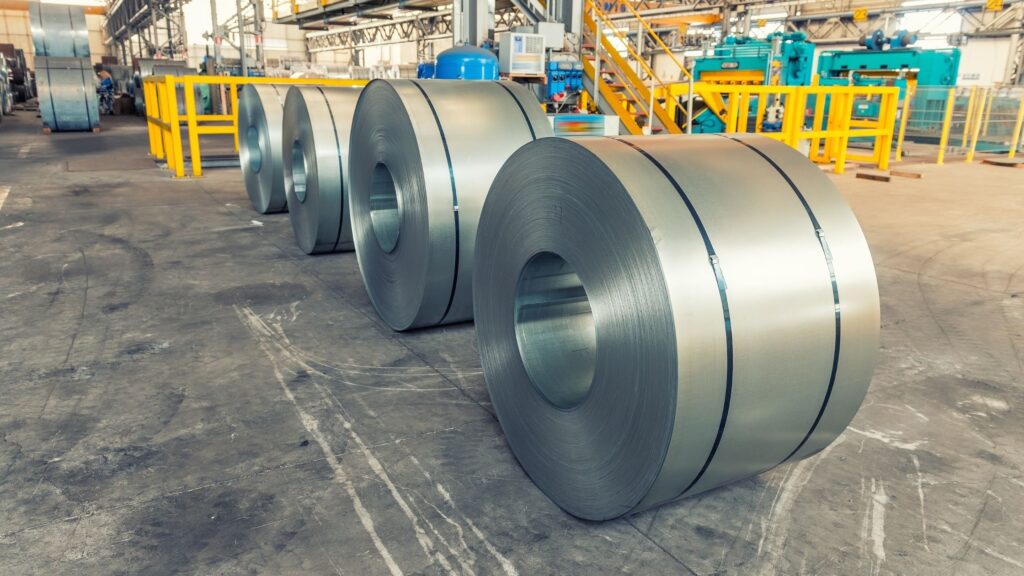
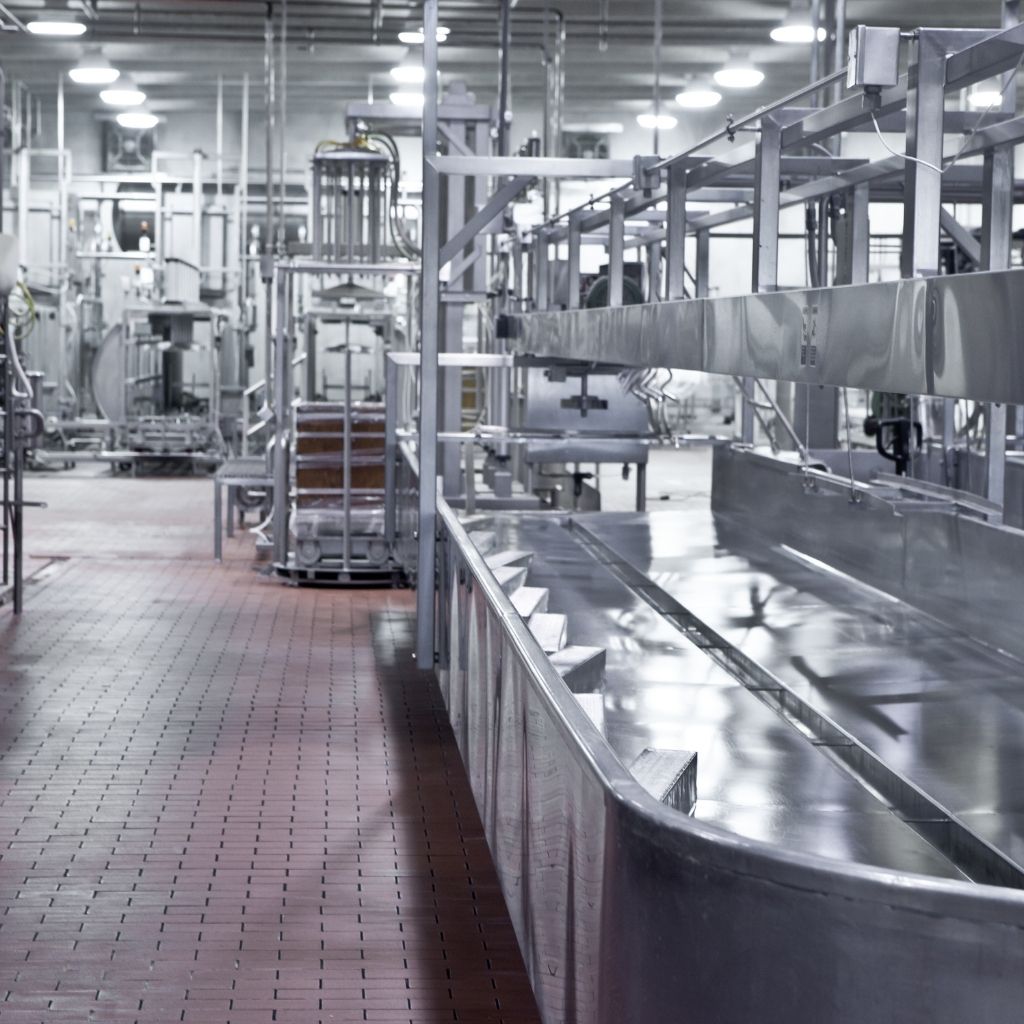
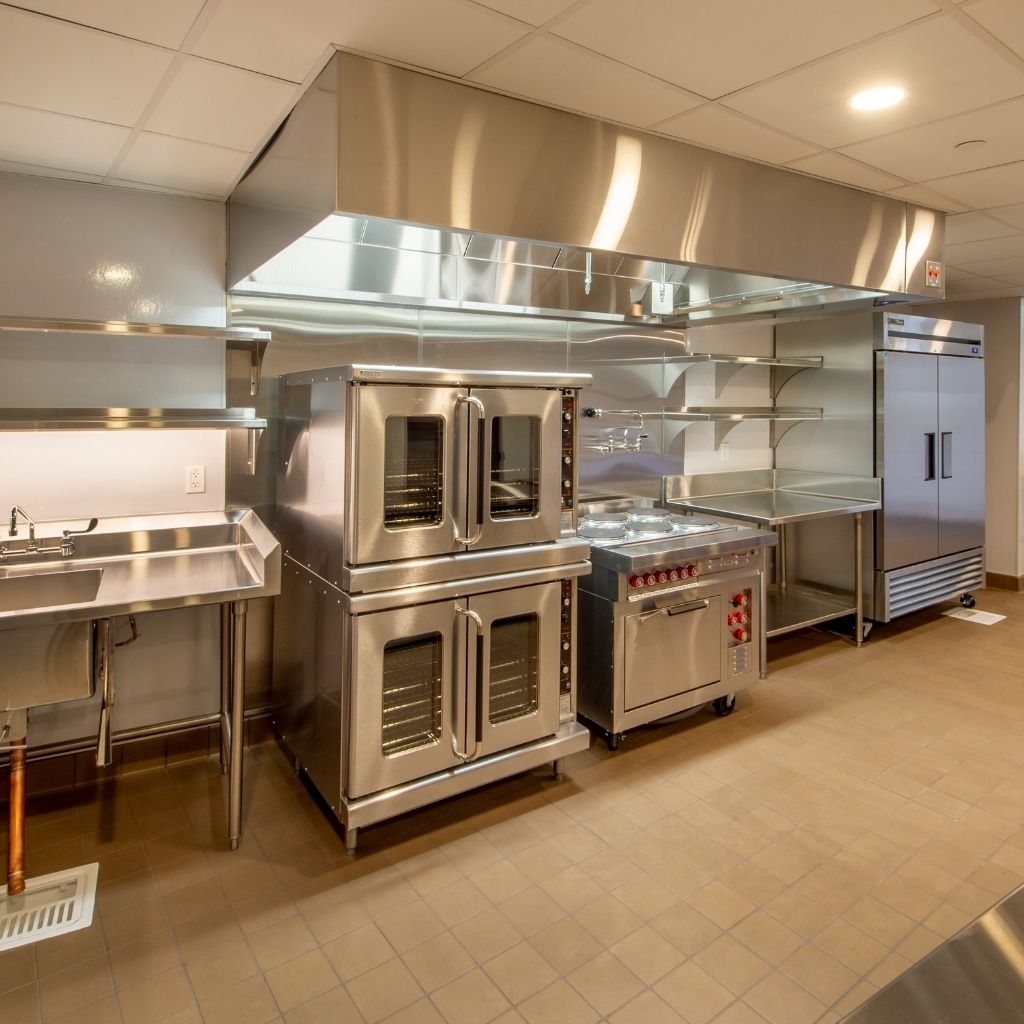
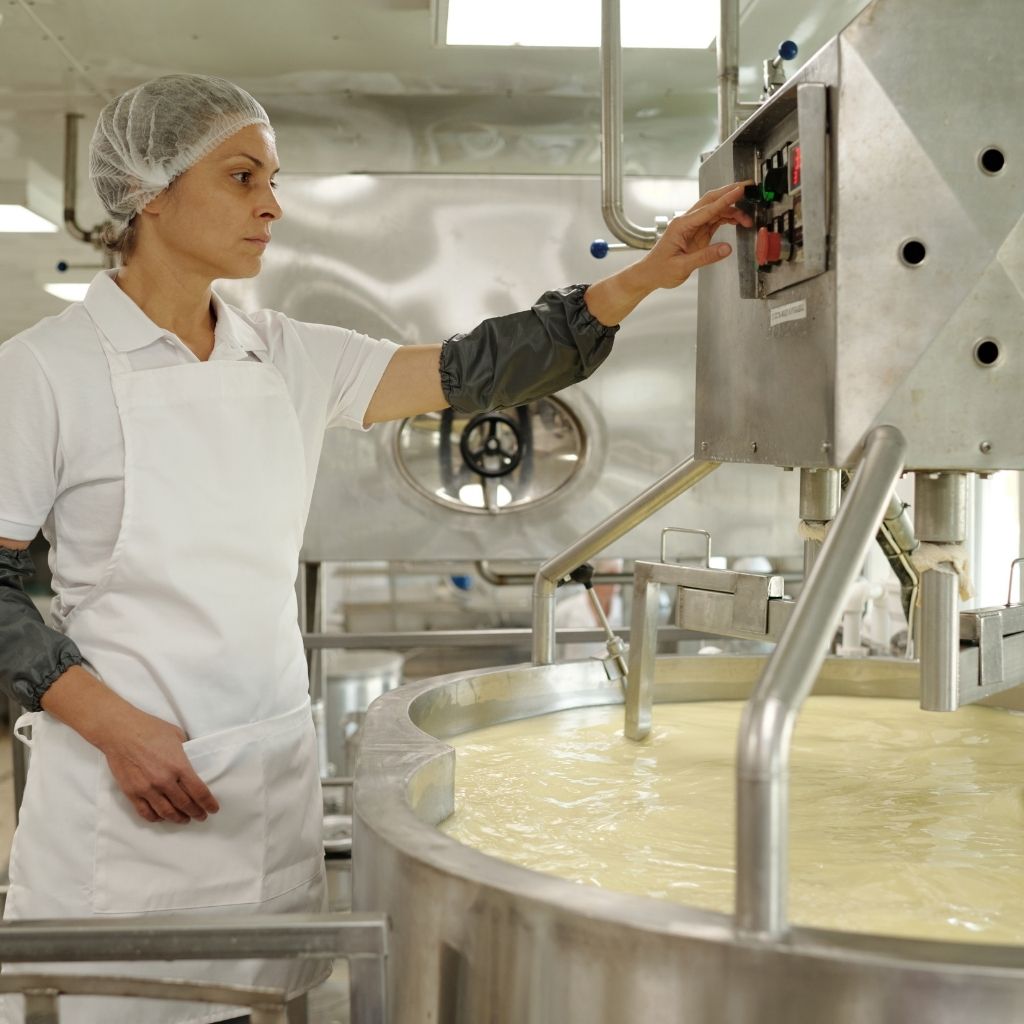
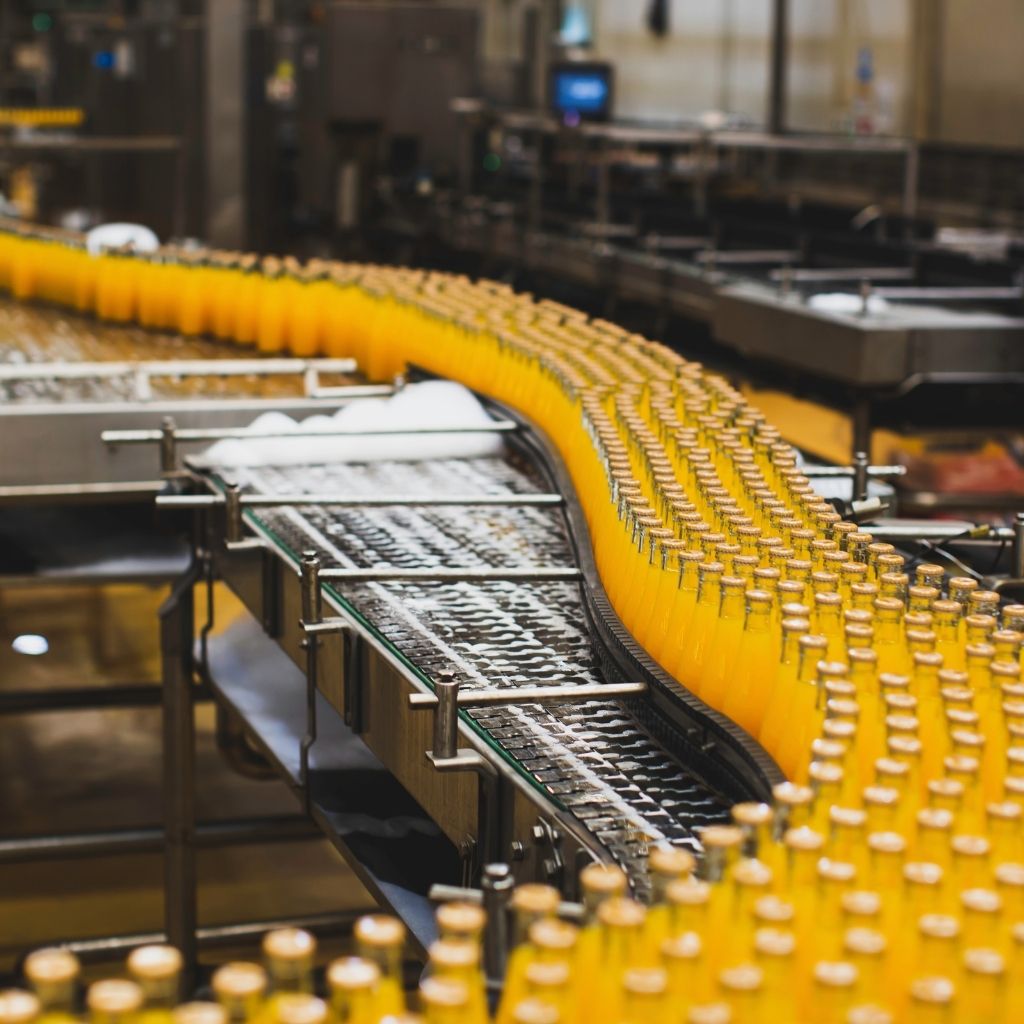
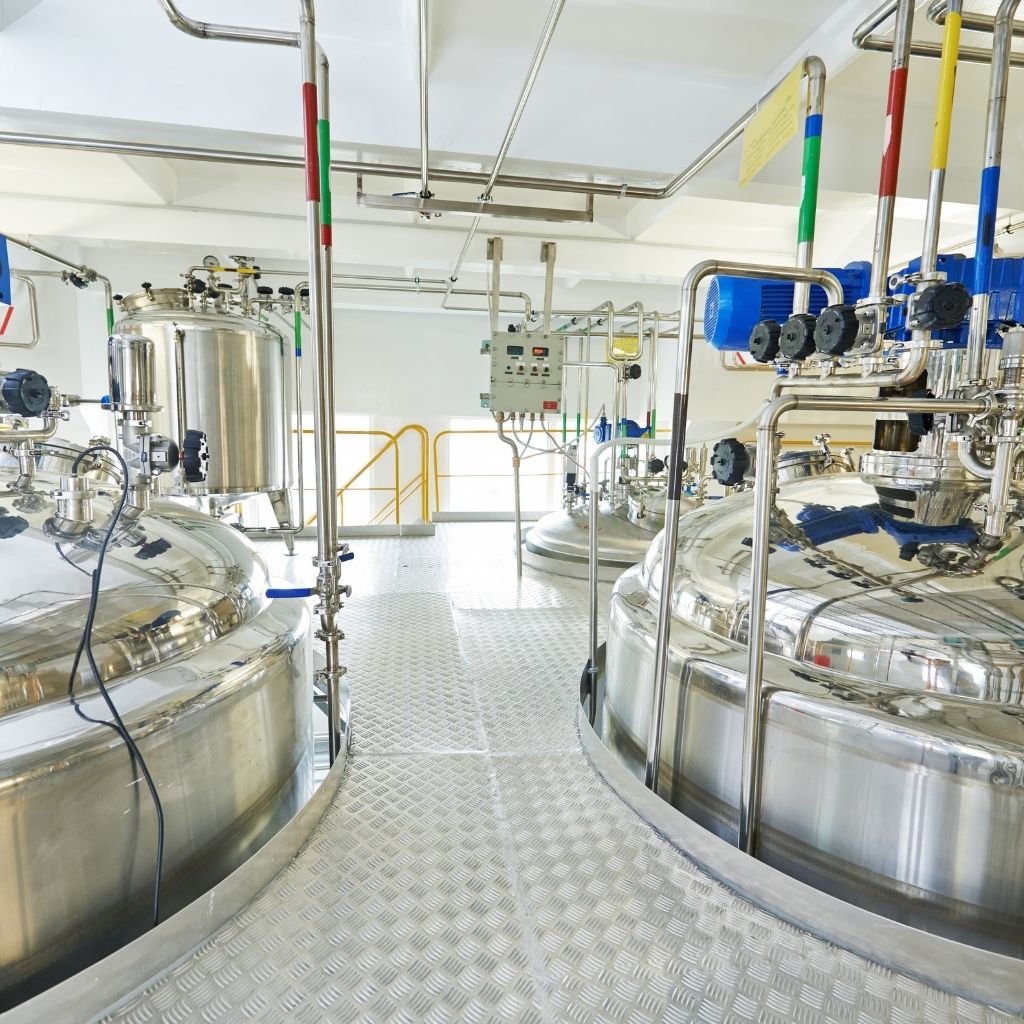
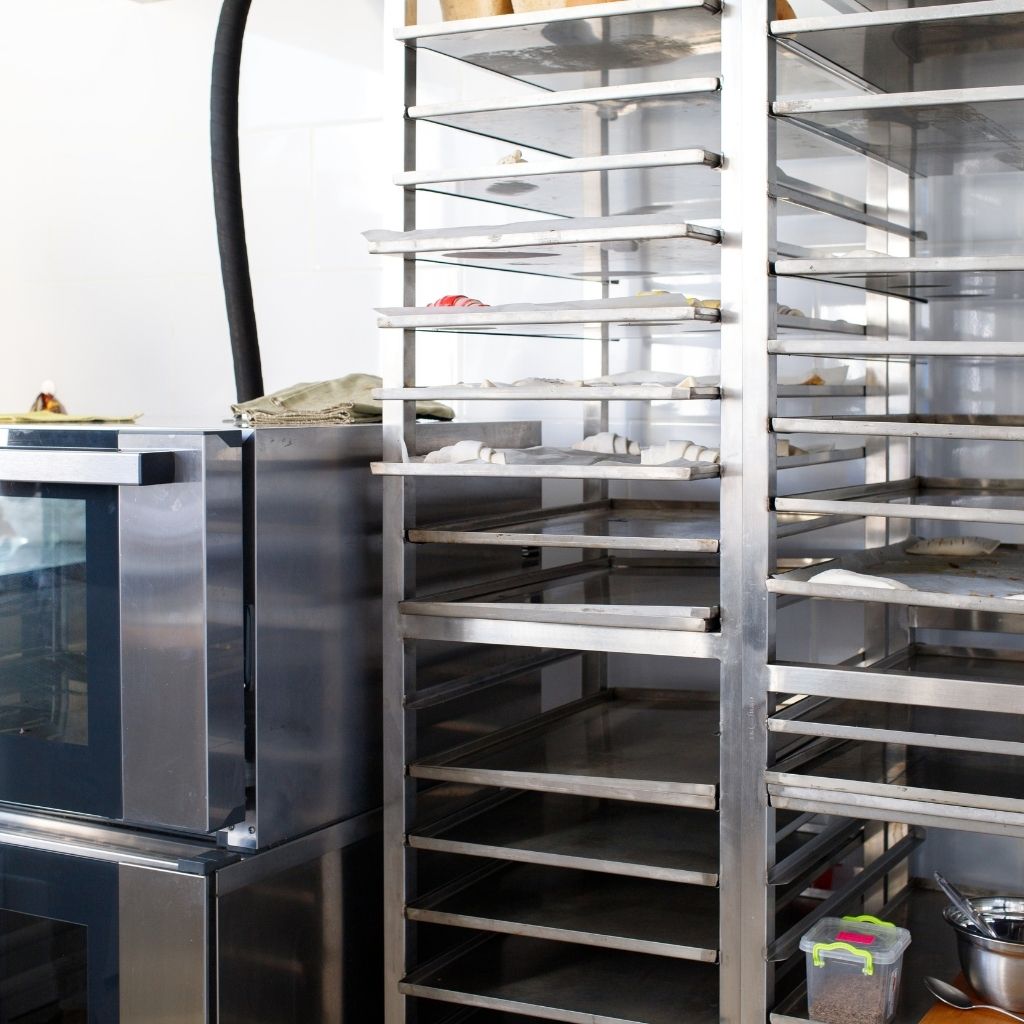
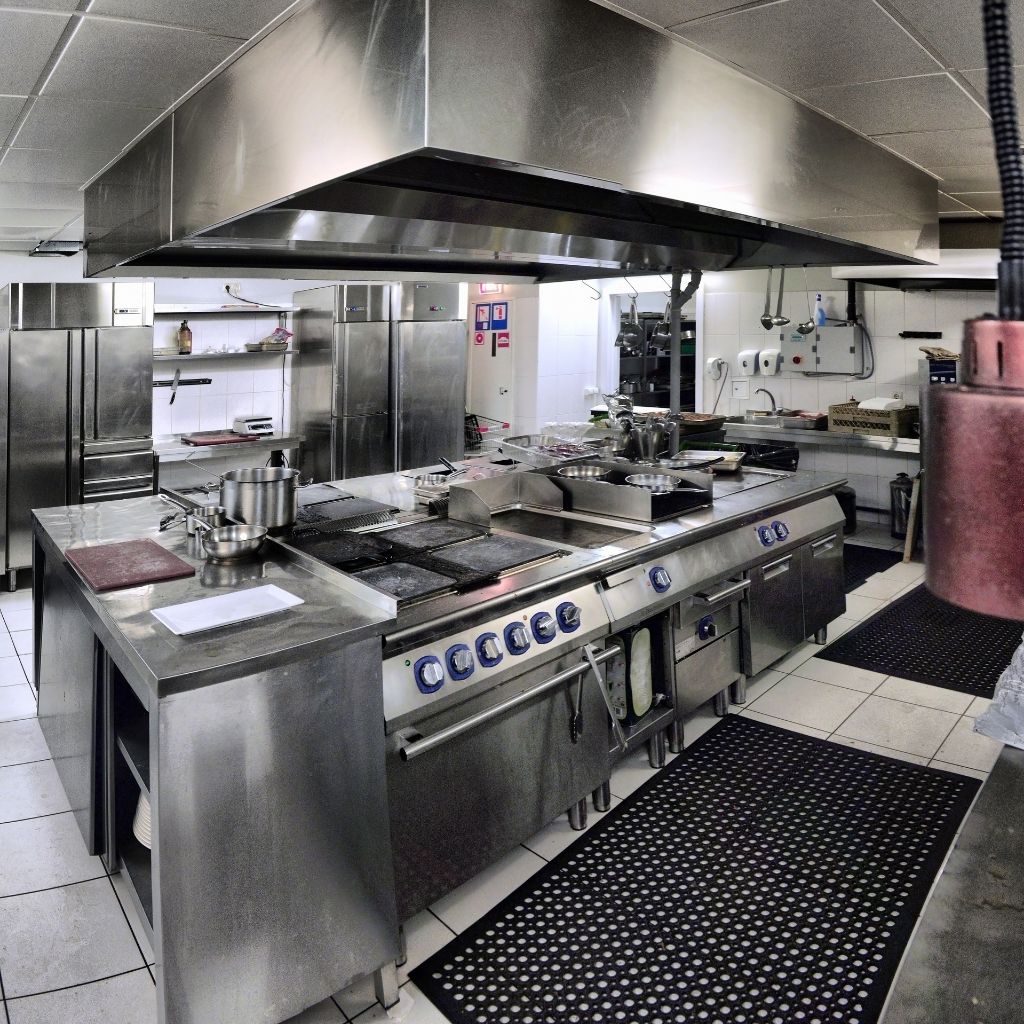
Food safety is one of the most important concerns in the food processing, beverage, dairy, pharmaceutical, and hospitality industries. Every surface that comes into contact with food must be hygienic, corrosion-resistant, easy to clean, and capable of maintaining product purity. This is why Stainless Steel Food Grade 304 has become the industry standard worldwide.
Known for its exceptional corrosion resistance, excellent strength, and hygienic surface finish, 304 stainless steel is widely used in commercial kitchens, food manufacturing plants, restaurants, breweries, dairy industries, and beverage processing facilities.
Whether you’re manufacturing storage tanks, kitchen equipment, food conveyors, or piping systems, Food Grade 304 Stainless Steel offers an ideal combination of durability, safety, and cost-effectiveness.
Food Grade 304 Stainless Steel is an austenitic chromium-nickel stainless steel containing approximately 18% chromium and 8% nickel, often referred to as 18/8 stainless steel.
The chromium forms a protective passive oxide layer that prevents rust and corrosion, while nickel enhances toughness, ductility, and corrosion resistance.
Because it does not react with most food products, beverages, or cleaning chemicals, it has become the preferred material for food-contact applications across the world.
| Element | Percentage |
|---|---|
| Chromium (Cr) | 18.0 – 20.0% |
| Nickel (Ni) | 8.0 – 10.5% |
| Carbon (C) | Maximum 0.08% |
| Manganese (Mn) | Maximum 2.00% |
| Silicon (Si) | Maximum 1.00% |
| Phosphorus (P) | Maximum 0.045% |
| Sulfur (S) | Maximum 0.03% |
| Iron (Fe) | Balance |
| Property | Value |
|---|---|
| Tensile Strength | 515 MPa Minimum |
| Yield Strength | 205 MPa Minimum |
| Elongation | 40% Minimum |
| Hardness | 201 HB Maximum |
| Density | 8.0 g/cm³ |
| Melting Point | 1400–1450°C |
Food Grade Stainless Steel is a material that meets strict hygiene and corrosion resistance requirements for food contact applications.
304 stainless steel offers outstanding resistance against:
This prevents rust formation and extends equipment life.
Its smooth surface minimizes bacterial growth and makes cleaning easier.
It supports strict sanitation standards required in:
304 stainless steel withstands:
The material can easily be:
This allows manufacturers to produce complex food processing equipment efficiently.
304 stainless steel maintains its strength at elevated temperatures, making it suitable for:
Its polished finish offers:
Some of the major advantages include:
Food Grade 304 Stainless Steel is used in numerous industries.
| Property | 304 Stainless Steel | 316 Stainless Steel |
|---|---|---|
| Chromium | 18–20% | 16–18% |
| Nickel | 8–10.5% | 10–14% |
| Molybdenum | No | 2–3% |
| Corrosion Resistance | Excellent | Superior |
| Salt Water Resistance | Moderate | Excellent |
| Cost | Lower | Higher |
| Food Industry | Excellent | Excellent |
| Marine Environment | Limited | Recommended |
For most food processing applications, 304 stainless steel provides excellent performance. However, 316 stainless steel is preferred for environments exposed to saltwater, chlorides, or highly aggressive cleaning chemicals.
Food Grade 304 Stainless Steel is available in several finishes:
Mirror and No. 4 finishes are especially popular for food-contact equipment due to their ease of cleaning.
Food Grade 304 Stainless Steel is manufactured according to various international standards, including:
To maximize the lifespan of Food Grade 304 Stainless Steel:
Proper maintenance preserves both appearance and corrosion resistance.
Manufacturers worldwide rely on Food Grade 304 Stainless Steel because it offers:
Its balance of performance, durability, and affordability makes it the most widely used stainless steel grade in the food industry.
Stainless Steel Food Grade 304 has earned its reputation as the benchmark material for food processing and commercial kitchen applications. Its excellent corrosion resistance, hygienic properties, ease of fabrication, and long service life make it a dependable choice for manufacturers, processors, and food service businesses.
From dairy plants and beverage facilities to restaurants and pharmaceutical manufacturing, 304 stainless steel continues to provide safe, clean, and reliable performance. By choosing high-quality Food Grade 304 Stainless Steel products, businesses can ensure product safety, regulatory compliance, and long-term operational efficiency.
This will close in 0 seconds
Votre partenaire de confiance en acier en Afrique du Nord. Une résistance qui dépasse les frontières.
© 2026 Emirerri Steel Manufacturer | Tous droits réservés.