ASTM A105
Carbon Steel ASTM A105
ASTM A105 Carbon Steel is a widely used forged carbon steel grade for pressure-containing piping components. It is primarily specified for manufacturing flanges, forged fittings, valve components, and other forged parts used in industrial piping systems.
The ASTM A105/A105M specification covers forged carbon steel piping components for pressure systems operating at ambient and elevated temperatures.
ASTM A105 combines good mechanical strength, ductility, forgeability, machinability, and weldability, making it a popular material for pressure-containing components in oil & gas, petrochemical, refinery, power generation, water treatment, and industrial process applications.
Key Features
- Forged carbon steel
- Designed for pressure-containing piping components
- Good mechanical strength
- Good ductility
- Excellent forgeability
- Good machinability
- Good weldability
- Suitable for ambient and elevated-temperature service
- Available in various forged component configurations
- Suitable for industrial piping systems
- Widely used for flanges and forged fittings
Specifications
| Specification | Details |
|---|---|
| Grade | ASTM A105 |
| Material | Carbon Steel |
| Standard | ASTM A105/A105M |
| Product Type | Forged Piping Components |
| Manufacturing | Forging |
| Main Products | Flanges, Forged Fittings, Valve Components |
| Service | Pressure & Elevated Temperature |
| Heat Treatment | According to applicable requirements |
| Weldability | Good |
| Machinability | Good |
| Main Industries | Oil & Gas, Petrochemical, Refinery, Power |
Types of ASTM A105 Products
ASTM A105 is primarily used for forged piping components.
ASTM A105 Flanges
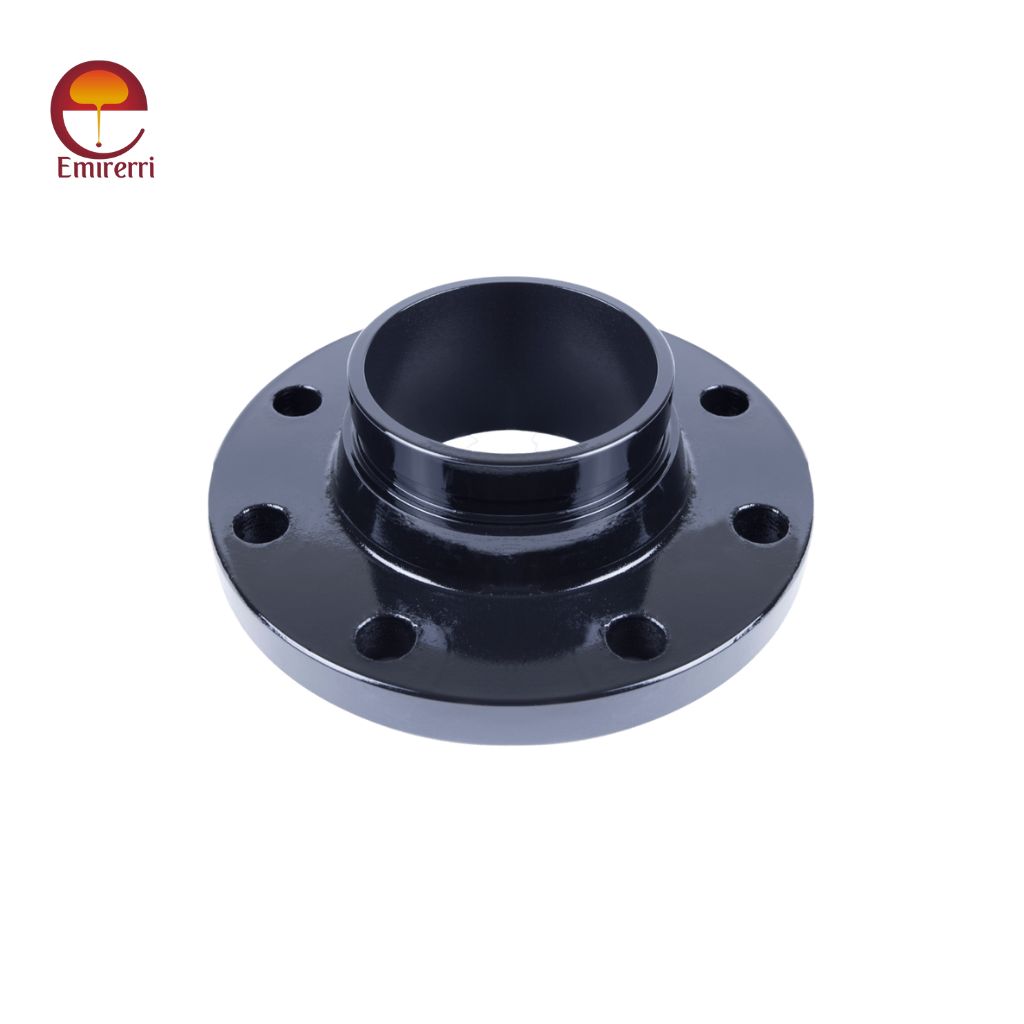
ASTM A105 Weld Neck Flanges
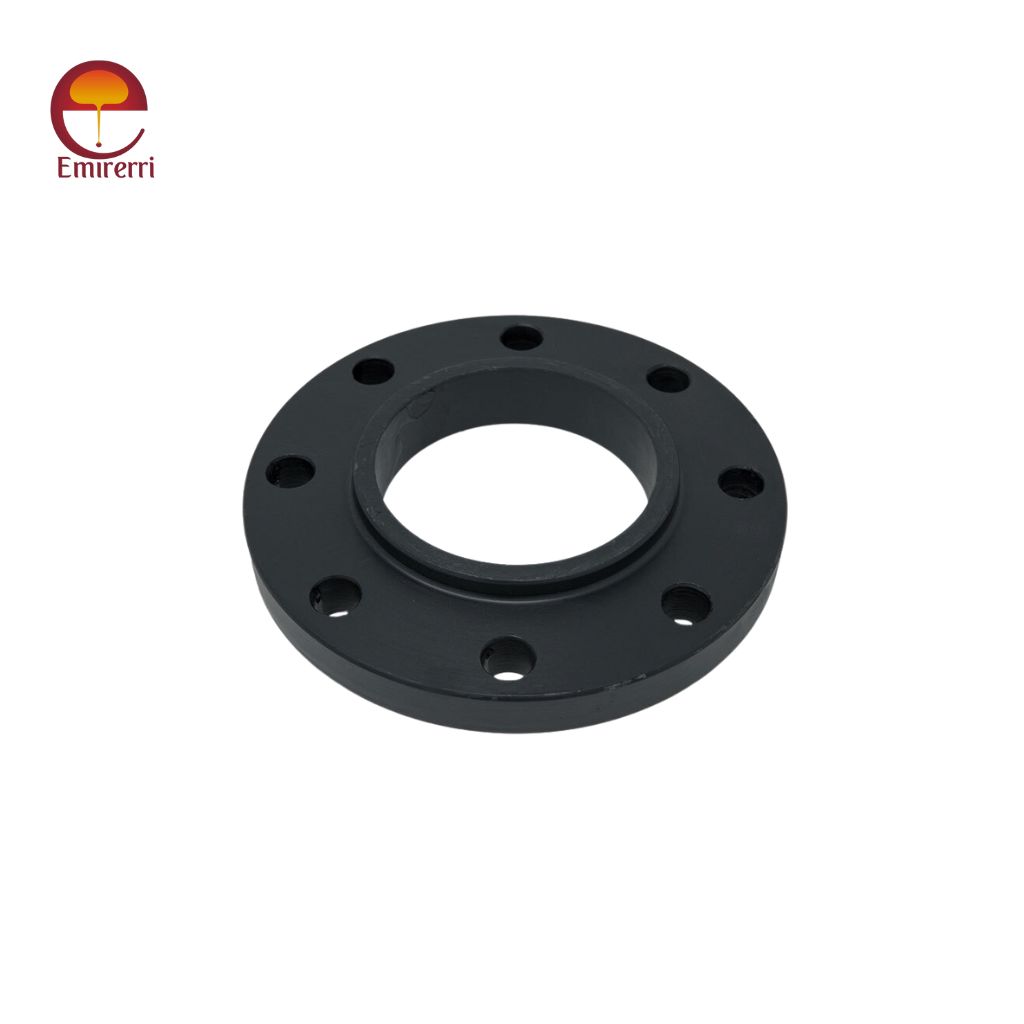
ASTM A105 Slip-On Flanges
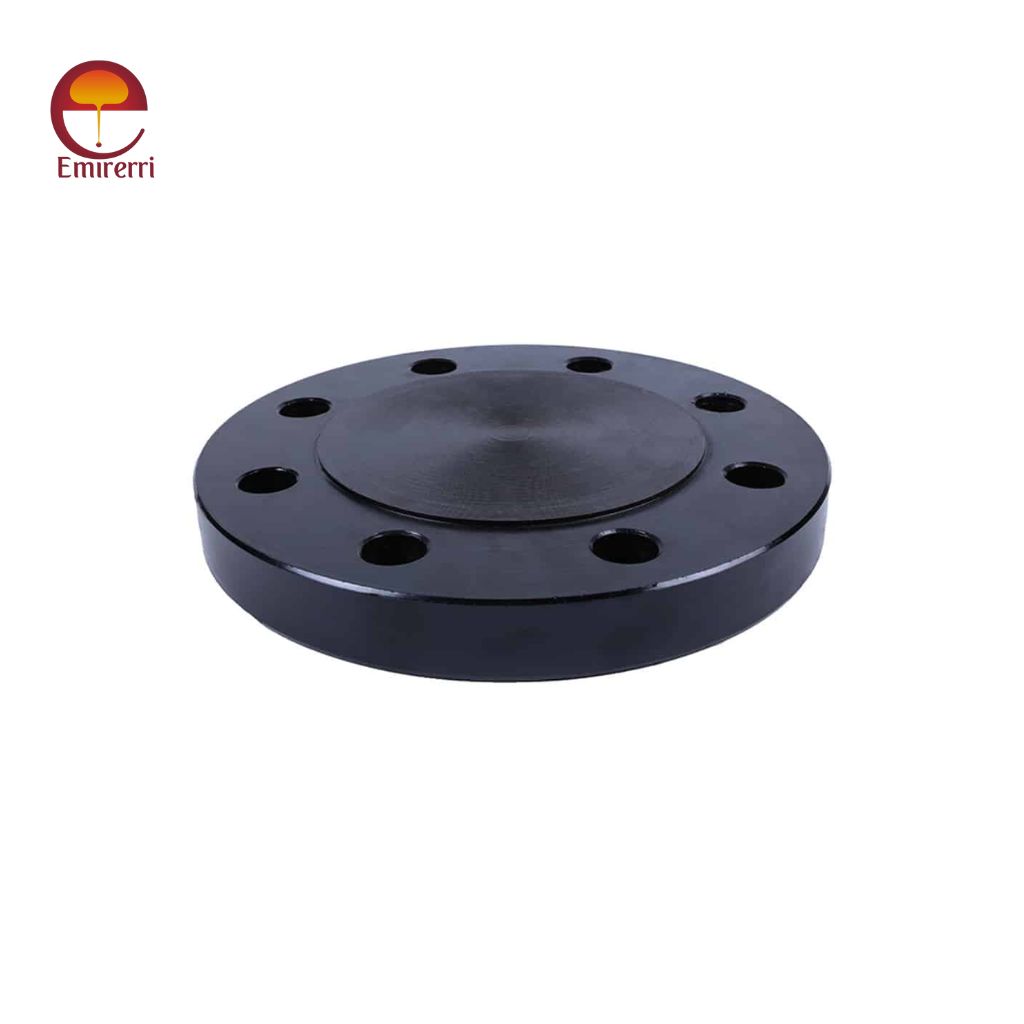
ASTM A105 Blind Flanges
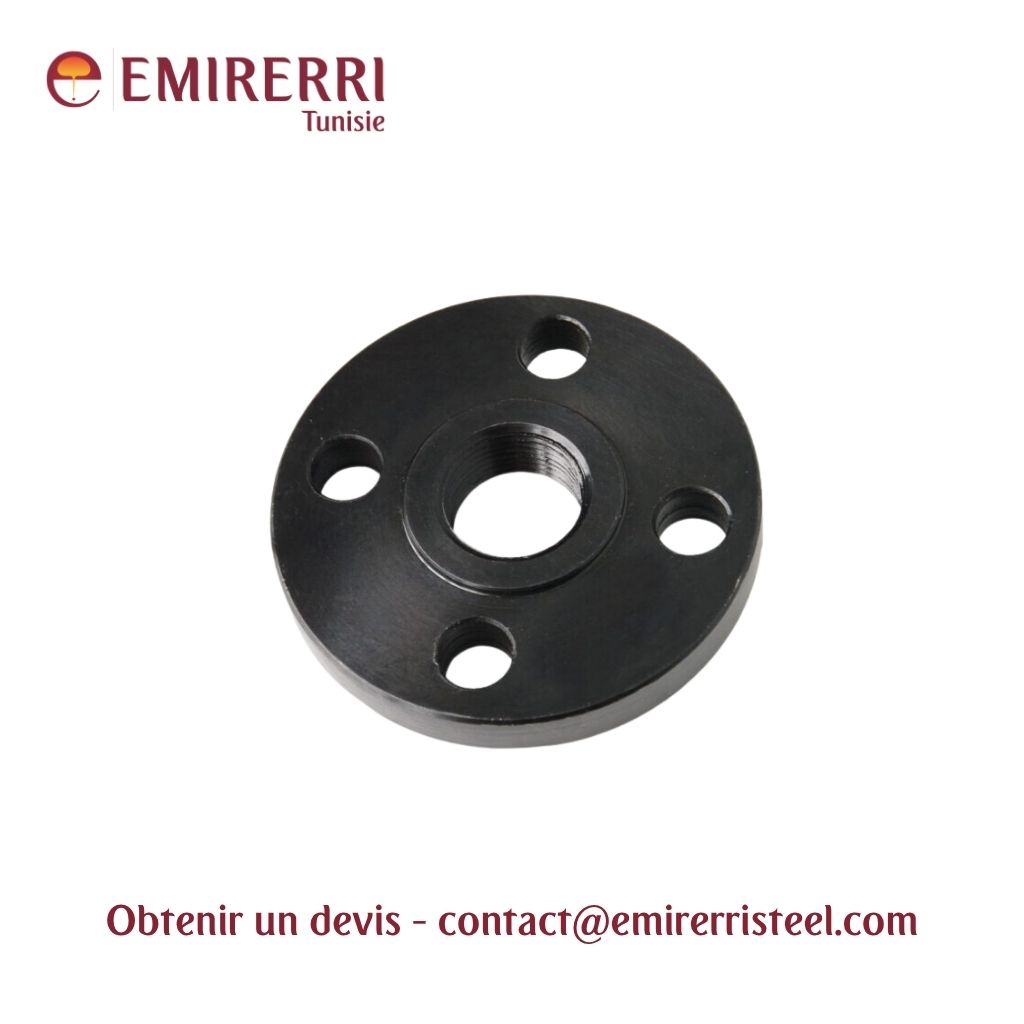
ASTM A105 Threaded Flanges
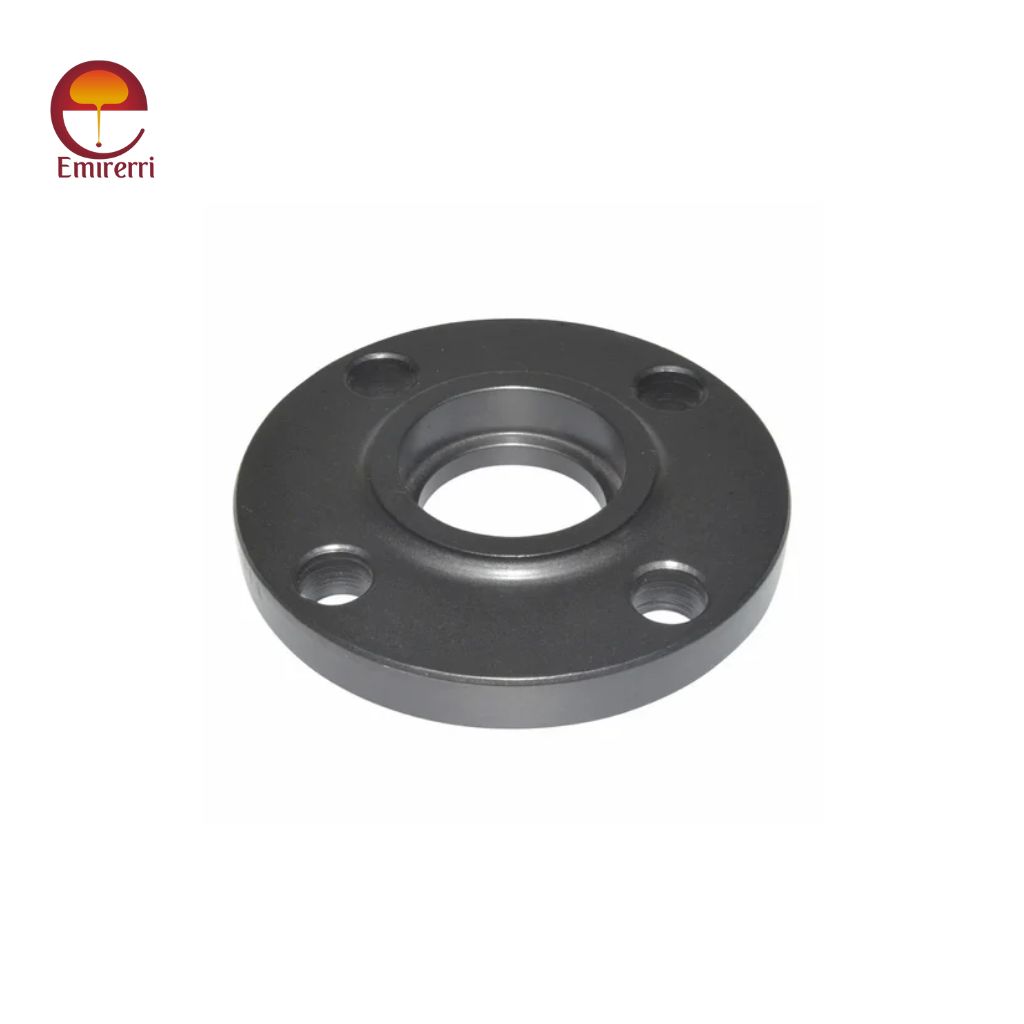
ASTM A105 Socket Weld Flanges
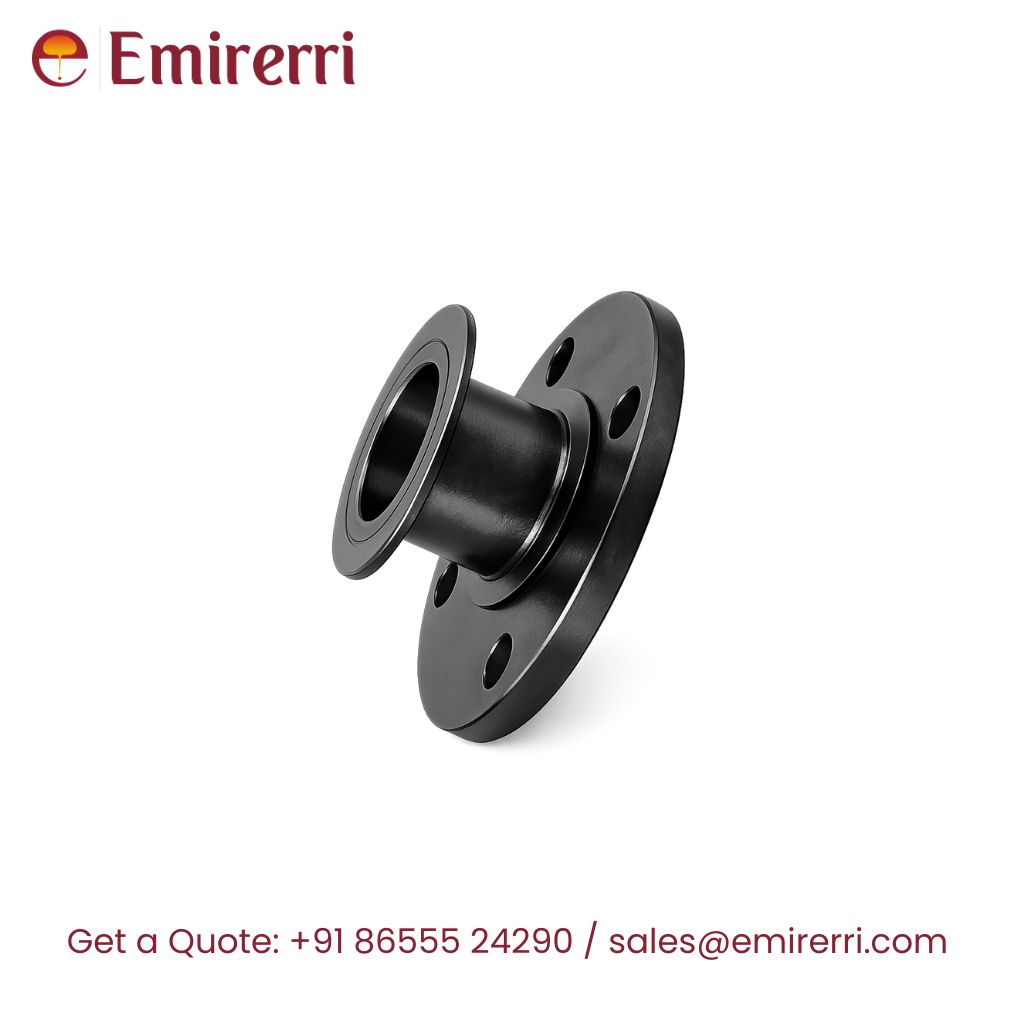
ASTM A105 Lap Joint Flanges
ASTM A105 Forged Fittings
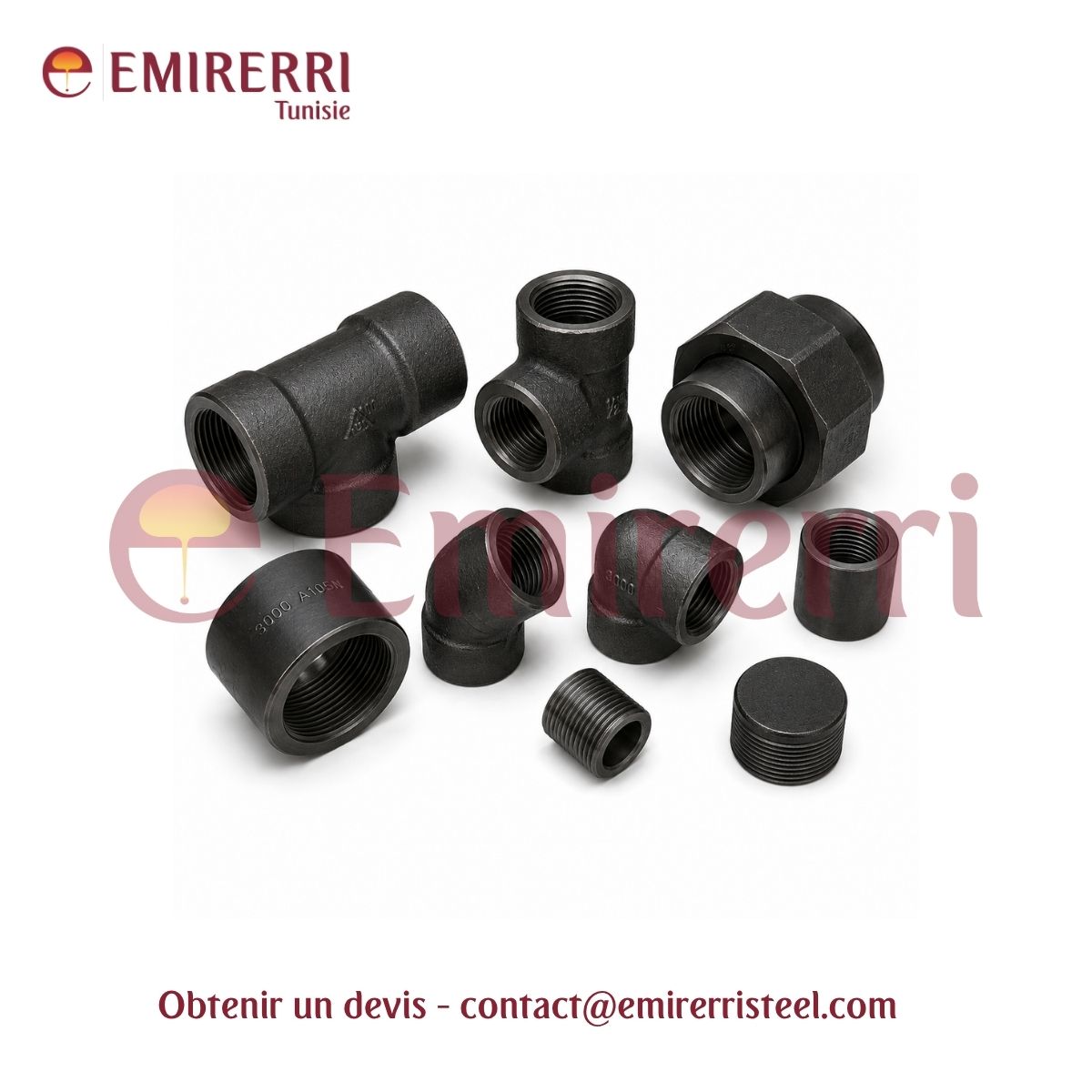
ASTM A105 Threaded Fittings
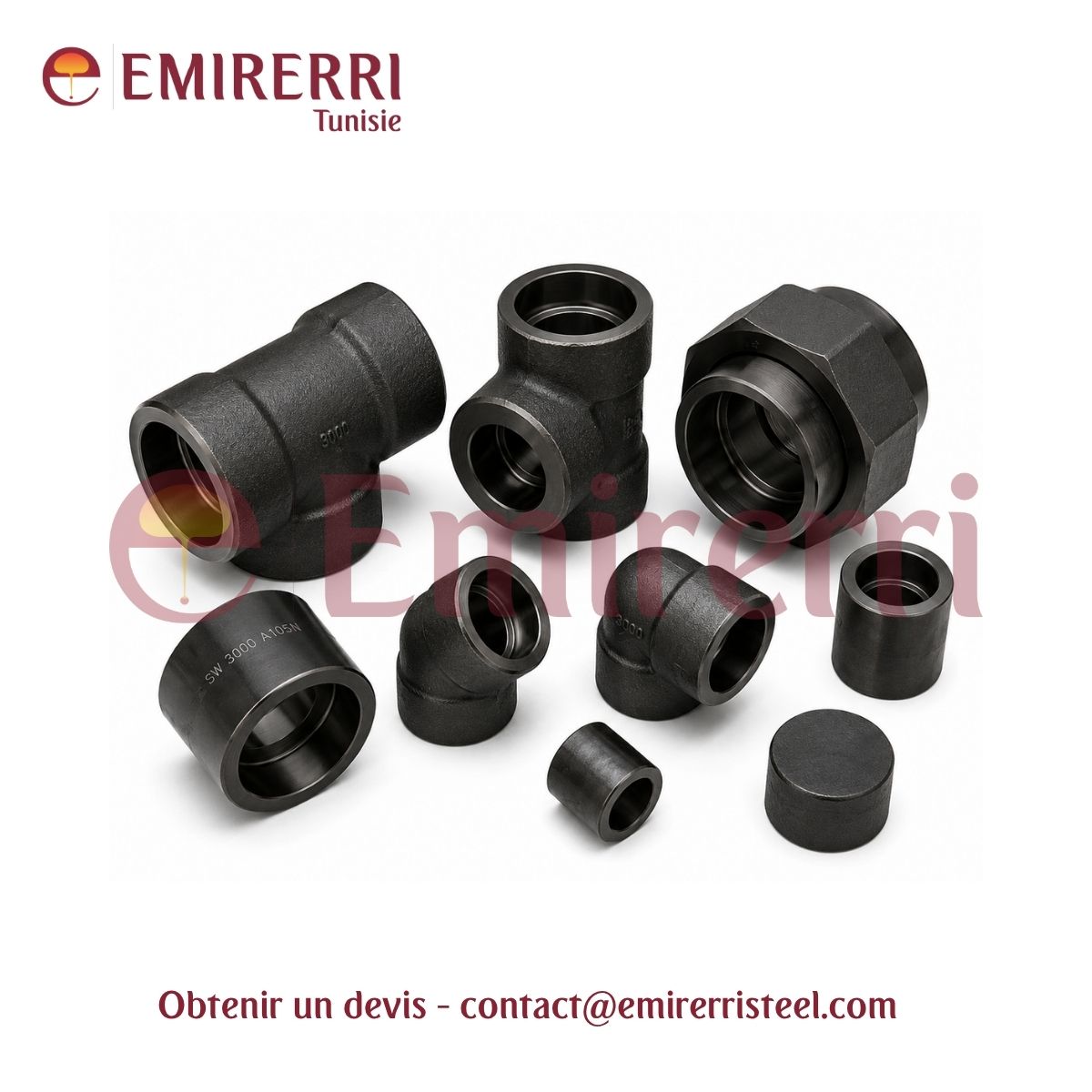
ASTM A105 Socket Weld Pipe Fittings
Equivalent Grades of ASTM A105
| Standard | Grade / Comparable Material |
|---|---|
| ASTM | A105 |
| UNS | K03504 |
| EN | Depends on application |
| DIN | Depends on product |
| JIS | Depends on project requirements |
ASTM A105 should not automatically be considered an exact equivalent to another international grade. Substitution should be evaluated based on chemical composition, mechanical properties, manufacturing process, heat treatment, pressure rating, and applicable design code.
Available Sizes and Dimensions
ASTM A105 components are manufactured in various sizes according to the type of product and applicable dimensional standard.
Flange Standards
Common dimensional standards include:
- ASME B16.5
- ASME B16.47
- EN 1092-1
- JIS B2220
- Other project-specific standards
Forged Fitting Standards
Common standards include:
- ASME B16.11
- ASME B16.9 for applicable fitting configurations
- MSS standards
- Other project specifications
The final dimensions depend on the nominal diameter, pressure class, component type, wall thickness, facing, and dimensional standard.
ASTM A105 Chemical Composition
| Element | Requirement / Maximum (%) |
|---|---|
| Carbon (C) | ≤ 0.35 |
| Manganese (Mn) | 0.60–1.05 |
| Phosphorus (P) | ≤ 0.035 |
| Sulfur (S) | ≤ 0.040 |
| Silicon (Si) | 0.10–0.35 |
| Copper (Cu) | ≤ 0.40 |
| Nickel (Ni) | ≤ 0.40 |
| Chromium (Cr) | ≤ 0.30 |
| Molybdenum (Mo) | ≤ 0.12 |
| Vanadium (V) | ≤ 0.08 |
| Iron (Fe) | Balance |
Chemical requirements should be confirmed against the applicable edition of ASTM A105/A105M and the product’s material test certificate.
ASTM A105 Mechanical Properties
| Property | Minimum Value |
|---|---|
| Tensile Strength | 485 MPa |
| Yield Strength | 250 MPa |
| Elongation | According to applicable requirements |
| Reduction of Area | According to applicable requirements |
| Hardness | According to applicable requirements |
These mechanical properties make ASTM A105 suitable for many pressure-containing piping components.
ASTM A105 Physical Properties
| Property | Approximate Value |
|---|---|
| Density | 7.85 g/cm³ |
| Modulus of Elasticity | ≈ 200 GPa |
| Thermal Conductivity | ≈ 45–55 W/m·K |
| Thermal Expansion Coefficient | ≈ 11–12 × 10⁻⁶ /°C |
| Specific Heat Capacity | ≈ 480 J/kg·K |
| Magnetic Properties | Magnetic |
Corrosion Resistance
ASTM A105 is a carbon steel and therefore has limited inherent corrosion resistance compared with stainless steel.
It can be susceptible to:
- Atmospheric corrosion
- Moisture
- Water
- Chlorides
- Marine environments
- Certain chemicals
- Internal corrosion depending on the service fluid
Corrosion Protection
Protection may include:
- Industrial painting
- Epoxy coating
- Anti-corrosion coatings
- Suitable surface treatments
- Cathodic protection where applicable
For highly corrosive environments, stainless steel, alloy steel, or specially protected carbon steel may be required.
Heat Resistance
ASTM A105 components can be used in ambient and elevated-temperature pressure applications within the limits established by the applicable design code.
Typical services include:
- Steam
- Hot water
- Process fluids
- Hydrocarbons
- Industrial utility systems
For high-temperature applications, material selection must consider operating temperature, pressure, mechanical properties, component thickness, and applicable design code.
ASTM A105 should not be confused with ASTM A182 grades, which cover forged components manufactured from stainless steel and alloy steel for higher-temperature and specialized services.
Heat Treatment
Heat treatment is an important part of ASTM A105 component manufacturing where required by the applicable specification.
Normalizing
Normalizing can produce a more uniform microstructure and balanced mechanical properties.
Annealing
Annealing may be used to improve machinability and reduce internal stresses.
Normalizing and Tempering
This treatment can be used where specified to achieve the required combination of strength and ductility.
Heat-treatment requirements depend on factors such as component size, thickness, manufacturing process, and applicable ASTM requirements.
Welding
ASTM A105 has good weldability when suitable qualified welding procedures are used.
Common Welding Processes
- SMAW
- GTAW / TIG
- GMAW / MIG
- FCAW
- SAW
Welding Applications
ASTM A105 components can be welded for:
- Flange connections
- Piping assemblies
- Forged fittings
- Valve components
- Pressure piping systems
Depending on component thickness, carbon equivalent, welding procedure, and applicable code, preheating, interpass temperature control, and post-weld heat treatment (PWHT) may be required.
Forging and Fabrication
One of the major advantages of ASTM A105 is its excellent forgeability.
Typical Forging Process
- Steel heating
- Hot forging
- Forming
- Controlled cooling
- Heat treatment where required
- Machining
- Dimensional inspection
- Testing and quality control
Machining
ASTM A105 components can be machined using:
- Turning
- Milling
- Drilling
- Threading
- Tapping
- Facing
This makes the material suitable for manufacturing precision components such as flanges, forged fittings and valve parts.
Applications
Oil & Gas Industry
- Pipe flanges
- Forged fittings
- Valve components
- Pressure-containing parts
- Process piping connections
Refineries
- Weld Neck Flanges
- Blind Flanges
- Forged fittings
- Valve components
- Steam piping connections
- Process piping
Petrochemical Industry
- Pressure-containing components
- Flanges
- Forged fittings
- Piping connections
- Process equipment components
Power Generation
- Steam system components
- Flanges
- Forged fittings
- Hot-water piping components
- Pressure piping connections
Industrial Construction
- Piping assemblies
- Mechanical connections
- Pressure components
- Industrial process systems
ASTM A105 in Tunisia, Algeria, Morocco & Libya
Carbon Steel ASTM A105 is widely suitable for industrial projects across Tunisia, Algeria, Morocco, and Libya, particularly for forged flanges, fittings, valve components, and pressure-containing piping parts.
It is commonly used in oil & gas, petrochemical, refinery, power generation, water treatment, and industrial construction projects.
For North African projects, ASTM A105 components are often specified together with dimensional standards such as ASME B16.5, ASME B16.47, ASME B16.11, EN 1092-1, and JIS B2220, depending on the component and project requirements.
ASTM A105 vs ASTM A106
| Property | ASTM A105 | ASTM A106 |
|---|---|---|
| Material | Carbon Steel | Carbon Steel |
| Product | Forged Components | Seamless Pipe |
| Manufacturing | Forging | Seamless Pipe Manufacturing |
| Main Products | Flanges, Fittings, Valve Parts | Pipes |
| Tensile Strength | ≥ 485 MPa | Depends on Grade |
| Yield Strength | ≥ 250 MPa | Depends on Grade |
| Primary Application | Pressure Components | Process & Pressure Piping |
| Typical Use | Flanges, fittings, valves | Steam, process, fluid transport |
Conclusion
Carbon Steel ASTM A105 is a widely specified material for forged pressure-containing piping components.
Its combination of mechanical strength, ductility, forgeability, machinability, and weldability makes it an excellent choice for manufacturing flanges, forged fittings, valve components, and other pressure piping parts.
ASTM A105 is widely used across oil & gas, petrochemical, refinery, power generation, water treatment, and industrial construction.
For projects in Tunisia, Algeria, Morocco, and Libya, ASTM A105 provides a reliable and economical material solution for forged piping components when the pressure, temperature, dimensional standards, material requirements, and applicable design codes are properly specified.
Contact Us