Stainless Steel 304 (EN 1.4301)
Stainless Steel 304 (EN 1.4301)
Introduction
Stainless Steel 304 is one of the most widely used austenitic stainless steel grades in the world. Thanks to its excellent corrosion resistance, good weldability, ease of manufacturing, and aesthetic appearance, it is widely used in the food processing, chemical, petrochemical, pharmaceutical, architectural, and marine industries.
Composed primarily of chromium and nickel, stainless steel 304 offers excellent resistance to oxidation and many corrosive environments. It is often the first choice for applications requiring hygiene, durability, and low maintenance.
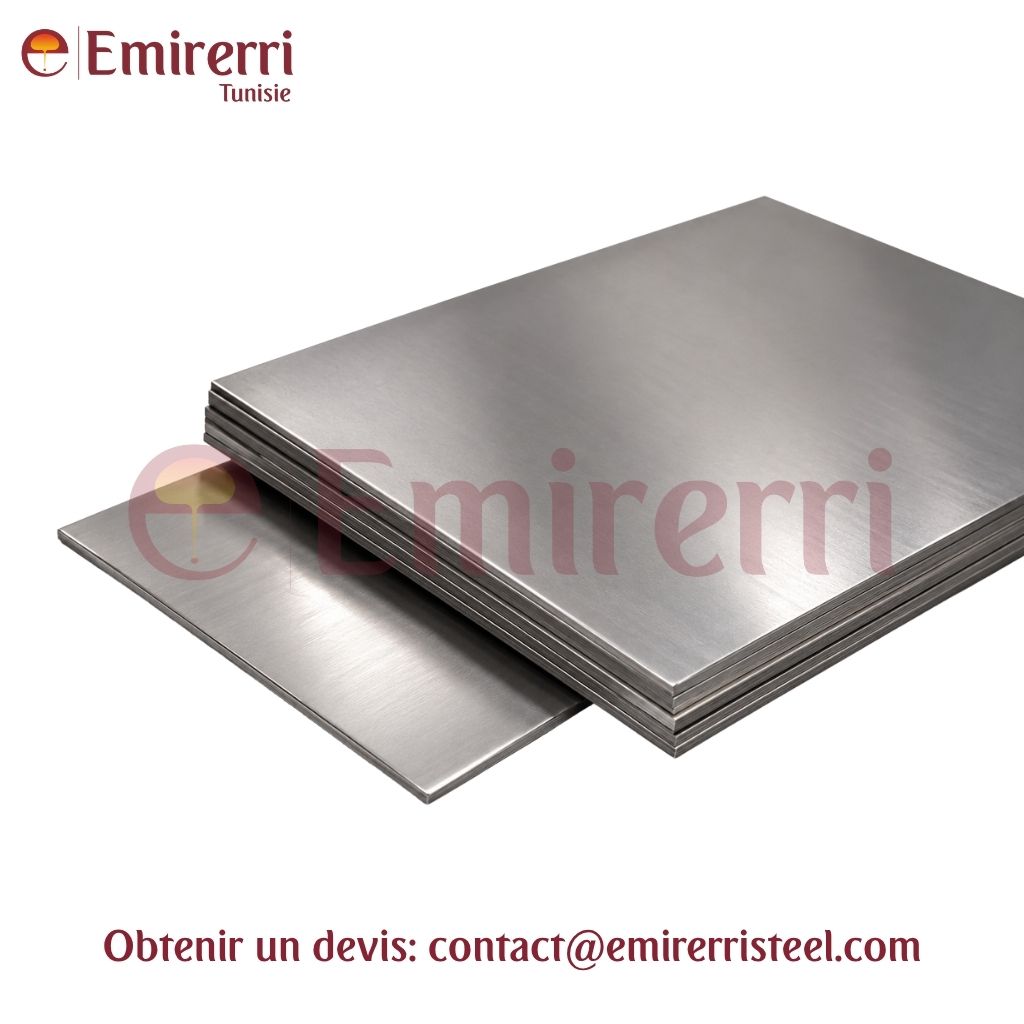
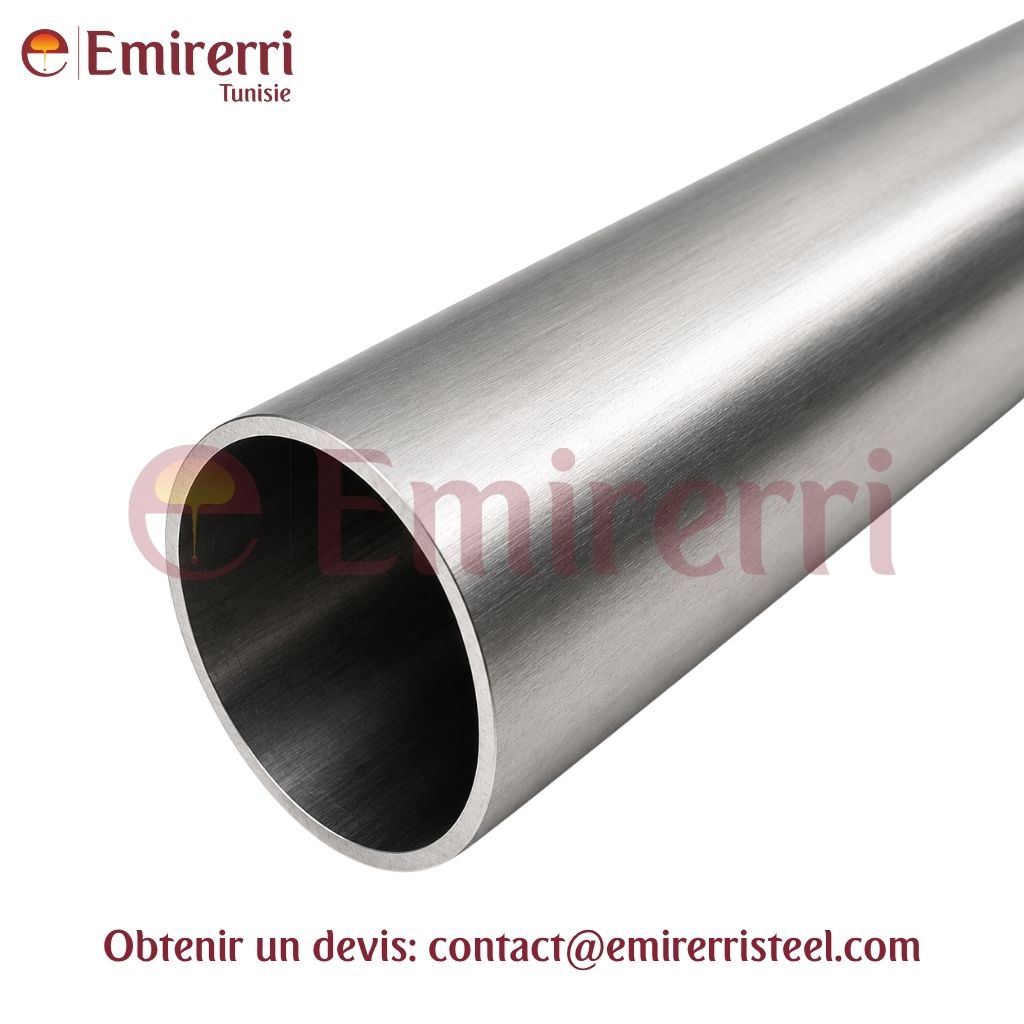
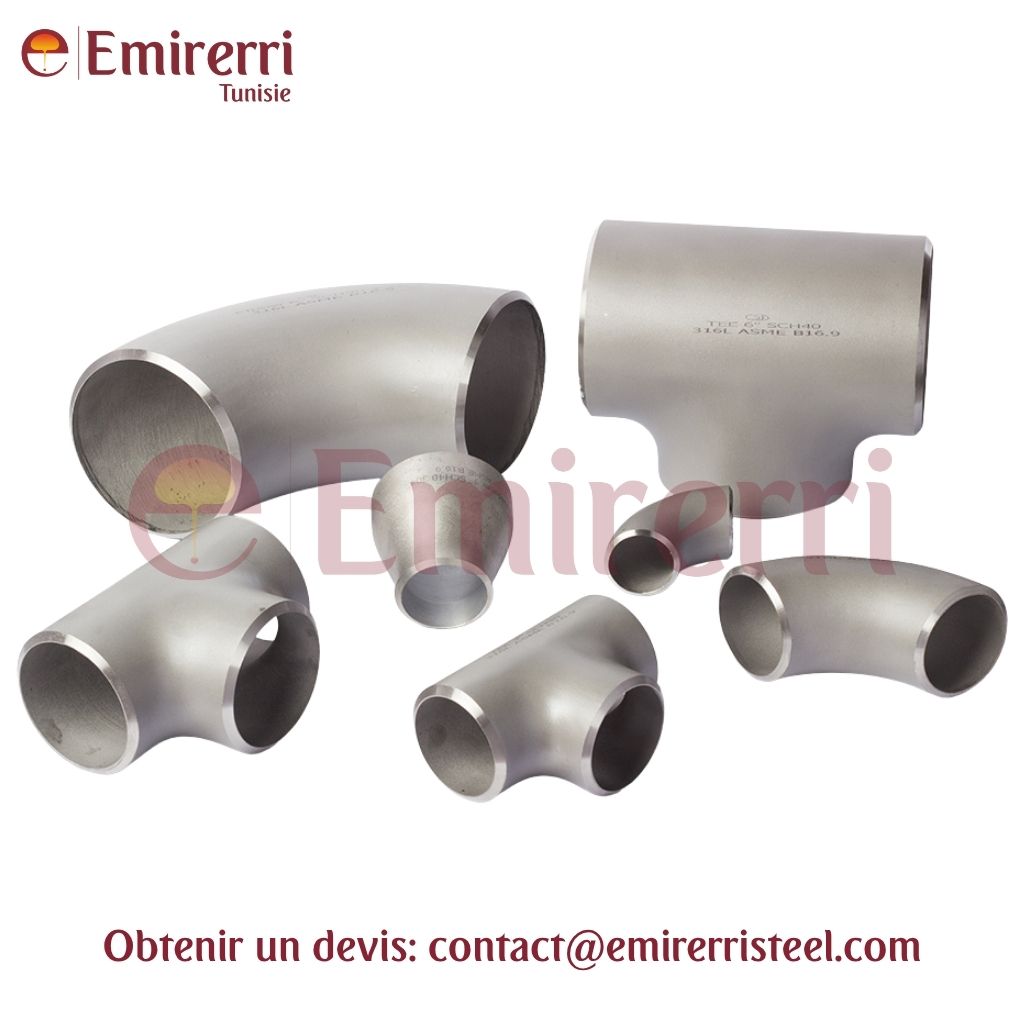
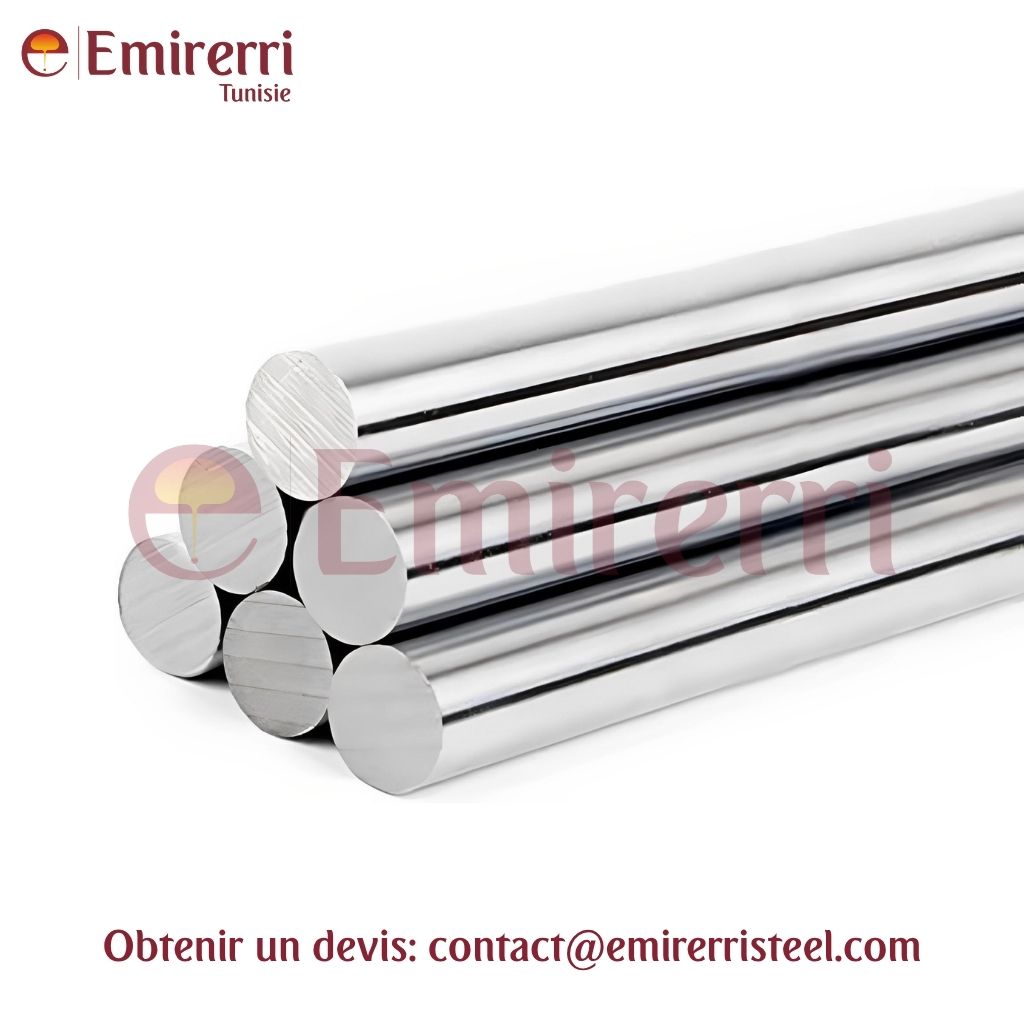
Emirerri Steel supplies stainless steel 304 in the form of sheets, plates, coils, tubes, pipes, bars and fittings to meet industrial needs in Tunisia, Algeria, Morocco and Libya .
Stainless Steel 304 Specifications
- Excellent corrosion resistance
- Very good weldability
- Excellent trainability
- Good heat resistance
- Aesthetically pleasing and easy to clean surface
- Excellent resistance to oxidation
- Good mechanical resistance
- Suitable for sanitary applications
- Low maintenance
- Long lifespan
Specifications
| Specification | Details |
|---|---|
| Grade | Stainless Steel 304 |
| UNS | S30400 |
| EN | 1.4301 |
| ASTM | ASTM A240, ASTM A276, ASTM A312 |
| Kind | Austenitic stainless steel |
| Delivery status | Annealed and pickled, cold rolled, hot rolled |
| Available forms | Plates, sheets, coils, tubes, pipes, bars, fittings |
Types of 304 Stainless Steel Products
304 stainless steel equivalent
| Standard | Designation |
|---|---|
| ASTM | 304 |
| UNS | S30400 |
| EN | 1.4301 |
| DIN | X5CrNi18-10 |
| JIS | SUS304 |
| ISO | X5CrNi18-10 |
304 Stainless Steel Chemical Composition
| Element | Composition (%) |
|---|---|
| Carbon (C) | ≤ 0.08 |
| Chrome (Cr) | 18.0 – 20.0 |
| Nickel (Ni) | 8.0 – 10.5 |
| Manganese (Mn) | ≤ 2.0 |
| Silicon (Si) | ≤ 1.0 |
| Phosphorus (P) | ≤ 0.045 |
| Sulfur (S) | ≤ 0.030 |
| Nitrogen (N) | ≤ 0.10 |
| Iron (Fe) | Balance |
304 Stainless Steel Mechanical Properties
| Property | Value |
|---|---|
| Elastic limit | ≥ 205 MPa |
| Tensile strength | 515 – 720 MPa |
| Elongation | ≥ 40% |
| Hardness | ≤ 201 HB |
| Modulus of elasticity | 193 GPa |
304 Stainless Steel Physical Properties
| Property | Value |
|---|---|
| Density | 8.00 g/cm³ |
| Melting point | 1400 – 1450°C |
| Thermal conductivity | 16.2 W/m·K |
| Electrical resistivity | 0.72 µΩ·m |
| Specific heat | 500 J/kg·K |
| Coefficient of expansion | 17.2 µm/m°C |
Corrosion Resistance
304 stainless steel offers excellent corrosion resistance in:
- Atmospheric environments
- Humidity
- Fresh water
- Food products
- Many chemicals
However, for heavily chlorinated or marine environments, 316 stainless steel is generally recommended due to its molybdenum content.
Heat Resistance
304 stainless steel has excellent resistance to oxidation at high temperatures.
Serving Temperatures
- Continuous service: up to 870°C
- Intermittent service: up to 925°C
It is widely used in equipment exposed to high temperatures.
Thermal treatment
Annealing of Solution
- Temperature: 1010°C to 1120°C
- Rapid cooling with water or air
Benefits :
- Improved ductility
- Reduction of internal constraints
- Restoring corrosion resistance
304 stainless steel cannot be hardened by heat treatment but can be strengthened by work hardening.
Welding
304 stainless steel has excellent weldability.
Recommended Procedures
- TIG
- MIG
- Arc welding
- Plasma welding
Benefits
- Very good weld quality
- Low risk of cracking
- Excellent weld finish
For thick materials, post-weld treatment may be recommended.
Manufacturing
- Filming
- Milling
- Drilling
- Tapping
Forming
- Folding
- Stamping
- Bending
Cutting
- Laser
- Plasma
- Water jet
Polishing
- Finish 2B
- BA (Bright Annealed)
- Mirror
- Satin
Applications
- Food Processing Industry
- Chemical Industry
- Architecture and Construction
- Pharmaceutical Industry
- Water Treatment
- Energy Sector
Get a Quote