ASTM A128 Grade C
ASTM A128 Grade C Manganese Steel Supplier in Tunisia
ASTM A128 Grade C is a chromium-alloyed austenitic manganese steel casting grade designed for industrial applications involving severe impact, mechanical loading and abrasive wear.
Also known as chromium-alloyed Hadfield steel, Grade C combines a high manganese content with approximately 1.5–2.5% chromium. Its austenitic structure, toughness and work-hardening capability make it suitable for demanding components used in mining, mineral processing, phosphate production, cement manufacturing and crushing operations.
Under repeated impact and deformation, the surface can progressively work-harden, helping improve resistance to mechanical wear while retaining the characteristic toughness of properly heat-treated manganese steel.
Important: ASTM A128/A128M covers austenitic manganese steel castings. It is not a general specification for rolled manganese steel plates or sheets.
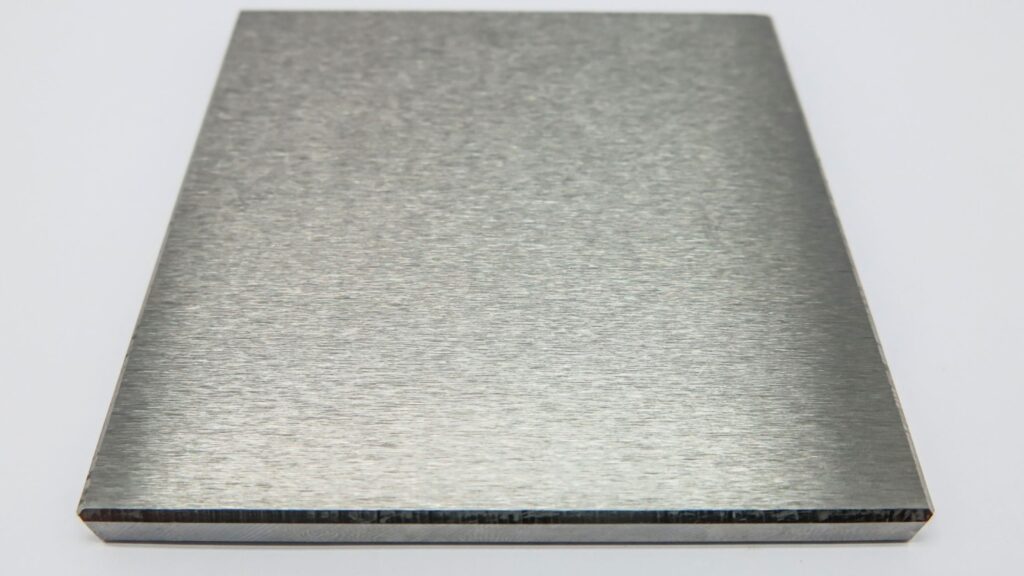
Material Identification
| Parameter | Specification |
|---|---|
| Material Designation | ASTM A128 Grade C |
| Material Name | Chromium-Alloyed Manganese Steel |
| Common Name | Hadfield Manganese Steel |
| Material Family | Austenitic Manganese Steel |
| UNS Designation | J91309 |
| Standard | ASTM A128/A128M |
| Product Form | Steel Castings |
| Metallurgical Structure | Austenitic after appropriate heat treatment |
| Main Alloying Elements | Carbon, Manganese and Chromium |
| Main Characteristics | Impact Resistance and Work Hardening |
| Primary Applications | Mining, Crushing, Quarries and Heavy Industries |
ASTM A128 Grade C Chemical Composition
The chemical composition of ASTM A128 Grade C includes chromium as an alloying element, distinguishing it from standard manganese steel grades such as Grade A and Grade B-2.
| Chemical Element | Symbol | Composition |
|---|---|---|
| Carbon | C | 1.05–1.35% |
| Manganese | Mn | 11.50–14.00% |
| Chromium | Cr | 1.50–2.50% |
| Silicon | Si | 1.00% Max. |
| Phosphorus | P | 0.07% Max. |
| Molybdenum | Mo | Not specified |
| Nickel | Ni | Not specified |
| Iron | Fe | Balance |
Note: Elements listed as not specified are not necessarily absent. Actual residual elements and chemical compliance should be verified through the manufacturer’s material test certificate.
ASTM A128 Grade C Mechanical Properties
ASTM A128 does not prescribe universal minimum tensile strength, yield strength, elongation or hardness values for every Grade C casting.
Mechanical performance depends on the casting design, section thickness, heat-treatment condition and agreed inspection requirements.
| Mechanical Property | Specification |
|---|---|
| Tensile Strength | As per manufacturer’s test certificate |
| Yield Strength | As per manufacturer’s test certificate |
| Elongation | As per manufacturer’s test certificate |
| Hardness | Depends on heat treatment and service condition |
| Impact Resistance | High after appropriate heat treatment |
| Work-Hardening Capability | High |
| Abrasion Resistance | Depends on impact and operating conditions |
| Toughness | High in the properly heat-treated condition |
ASTM A128 Grade C Physical Properties
| Physical Property | Value |
|---|---|
| Material Density | To be confirmed by manufacturer |
| Crystal Structure | Austenitic |
| Thermal Conductivity | To be confirmed |
| Modulus of Elasticity | To be confirmed |
| Thermal Expansion Coefficient | To be confirmed |
| Melting Range | Depends on chemical composition |
Physical property values should be obtained from the producer’s technical datasheet for the actual casting composition and condition.
Heat Treatment
Heat treatment is essential for achieving the required toughness and ductility of ASTM A128 Grade C manganese steel.
| Parameter | General Requirement |
|---|---|
| Heat Treatment Type | Solution Heat Treatment |
| Minimum Heating Temperature | 1,000°C (1,800°F) |
| Heating Method | Uniform heating throughout the casting |
| Holding Time | Until temperature is uniform throughout the section |
| Cooling Method | Rapid Quenching |
| Quenching Medium | Normally water |
| Main Objective | Obtain the required austenitic structure, toughness and ductility |
The exact heat-treatment cycle must be determined by the casting manufacturer according to component dimensions, section thickness and applicable requirements.
Work-Hardening and Wear Resistance
ASTM A128 Grade C is designed for applications where repeated mechanical impacts contribute to surface hardening.
Its manganese-rich austenitic structure provides toughness, while chromium contributes to the alloy’s composition and can influence its wear behaviour.
Key characteristics include:
High resistance to repeated mechanical impacts.
Strong work-hardening capability.
Good toughness after appropriate heat treatment.
Suitability for heavy-duty crushing equipment.
Performance in demanding mining and material-handling applications.
The actual service life depends on the balance between impact, abrasion, material feed characteristics and operating conditions.
Machining and Welding
Machining: ASTM A128 Grade C is difficult to machine because austenitic manganese steel rapidly work-hardens during cutting. Suitable cutting tools, stable machining conditions and controlled cutting parameters are necessary.
Welding: Welding requires a qualified procedure suitable for austenitic manganese steel. The filler material, heat input and interpass temperature must be carefully controlled. Repair welds should be inspected according to the applicable casting quality requirements.
ASTM A128 Grade C vs Grade B-2
| Parameter | Grade B-2 | Grade C |
|---|---|---|
| Carbon | 1.05–1.20% | 1.05–1.35% |
| Manganese | 11.50–14.00% | 11.50–14.00% |
| Chromium | Not specified | 1.50–2.50% |
| Silicon | 1.00% Max. | 1.00% Max. |
| Phosphorus | 0.07% Max. | 0.07% Max. |
| UNS Designation | J91129 | J91309 |
| Material Family | Austenitic Manganese Steel | Chromium-Alloyed Austenitic Manganese Steel |
| Product Form | Castings | Castings |
Grade C contains a specified chromium range, whereas Grade B-2 does not. They should not be considered automatically interchangeable. Selection should be based on the component design, operating environment and required material certification.
Applicable Standards and References
| Standard / Reference | Description |
|---|---|
| ASTM A128/A128M | Standard Specification for Steel Castings, Austenitic Manganese |
| ASTM A128 Grade C | Chromium-alloyed manganese steel casting grade |
| UNS J91309 | Unified Numbering System designation associated with Grade C |
| Material Test Certificate | Verification of chemical composition and agreed inspection requirements |
| Heat Treatment Records | Documentation of the casting heat-treatment process |
Applications
Mining and Phosphate Processing
- Crusher jaws and crushing components.
- Primary and secondary crusher parts.
- Impact plates and wear liners.
- Mineral and phosphate handling equipment.
- Components exposed to repeated impact and deformation.
- Heavy-duty mineral processing machinery.
Cement and Quarry Industries
- Stone crusher components.
- Crushing chamber liners.
- Impact curtains.
- Wear-resistant castings.
- Material handling equipment.
- Components exposed to severe mechanical loading.
Heavy Engineering
- Impact-resistant machine components.
- Industrial wear parts.
- Heavy-duty material processing equipment.
- Custom-engineered manganese steel castings.
Contact Us