ASTM A350 LF2
Carbon and Low-Alloy Steel ASTM A350 LF2
ASTM A350 LF2 Carbon and Low-Alloy Steel is a forged material primarily used for manufacturing flanges, forged fittings, valves and other pressure-containing components where good mechanical properties and notch toughness at low temperatures are required.
ASTM A350/A350M covers forged carbon and low-alloy steel components intended for pressure applications. Grade LF2 is particularly suitable for piping systems and equipment operating under low-temperature service conditions.
Its combination of strength, ductility, toughness, weldability and low-temperature impact resistance makes ASTM A350 LF2 widely used in the oil & gas, petrochemical, refinery, power generation, pipeline and chemical industries.
Key Features
Carbon and low-alloy forged steel
Suitable for pressure-containing components
Good low-temperature toughness
Good impact resistance
High mechanical strength
Good ductility
Good weldability
Suitable for forged components
Available in various sizes and configurations
Suitable for demanding piping applications
Charpy V-Notch impact testing available as required
Can be supplied with comprehensive inspection documentation
Specifications
| Specification | Details |
|---|---|
| Material | Carbon and Low-Alloy Steel |
| Grade | ASTM A350 LF2 |
| Standard | ASTM A350/A350M |
| Product Form | Forged Components |
| Typical Products | Flanges, fittings, valve components |
| Tensile Strength | 485–655 MPa |
| Yield Strength | ≥ 250 MPa |
| Weldability | Good |
| Low-Temperature Toughness | Good |
| Impact Testing | Charpy V-Notch |
| Main Applications | Piping, pressure equipment, valves |
ASTM A350 LF2 Product Forms
ASTM A350 LF2 is generally supplied as forged pressure-containing components.
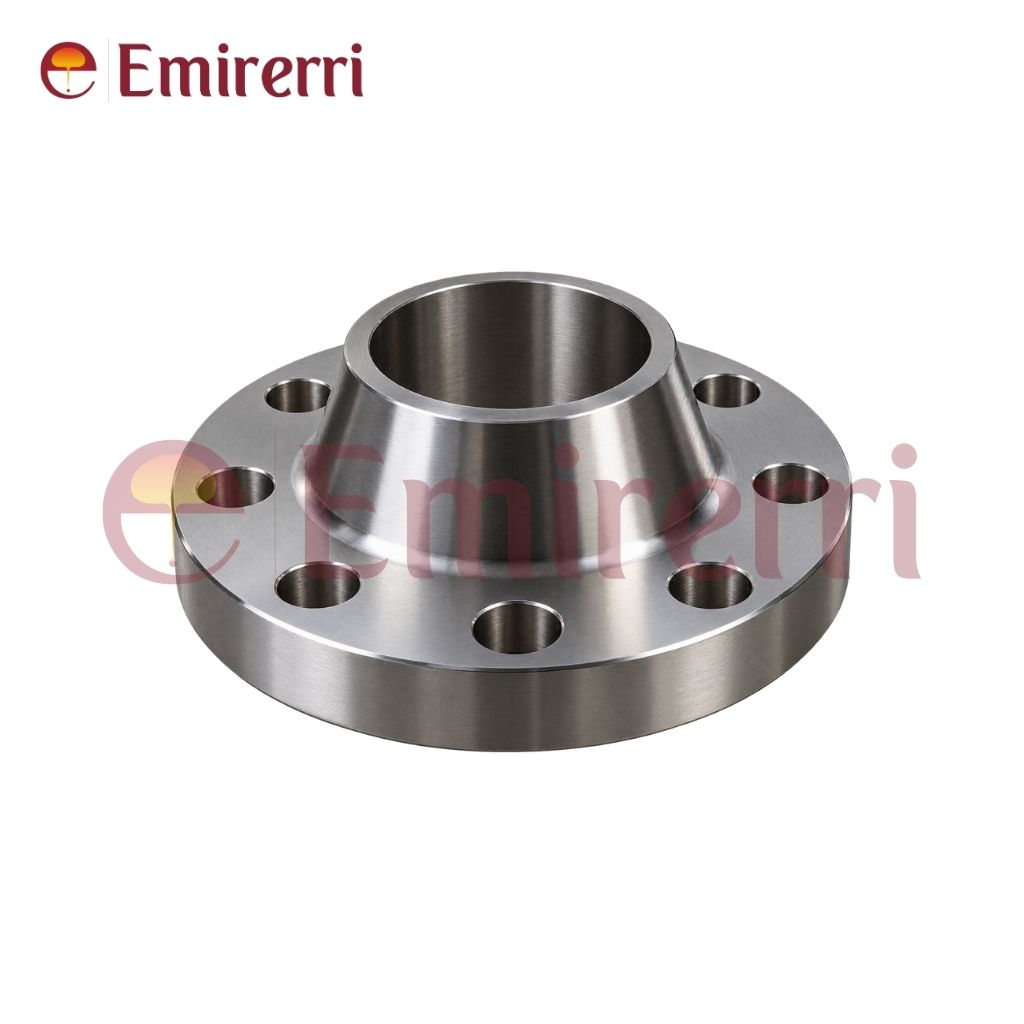
Forged Flanges
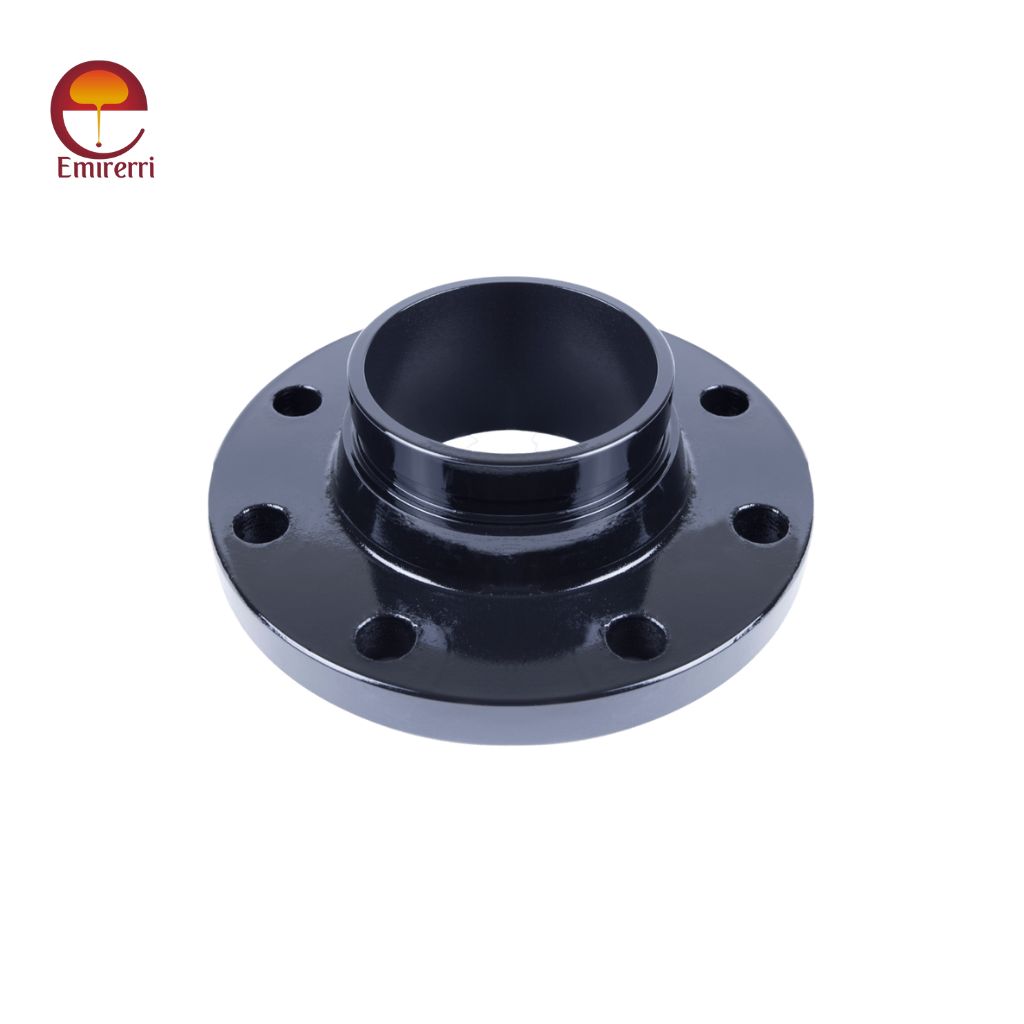
Weld Neck Flanges
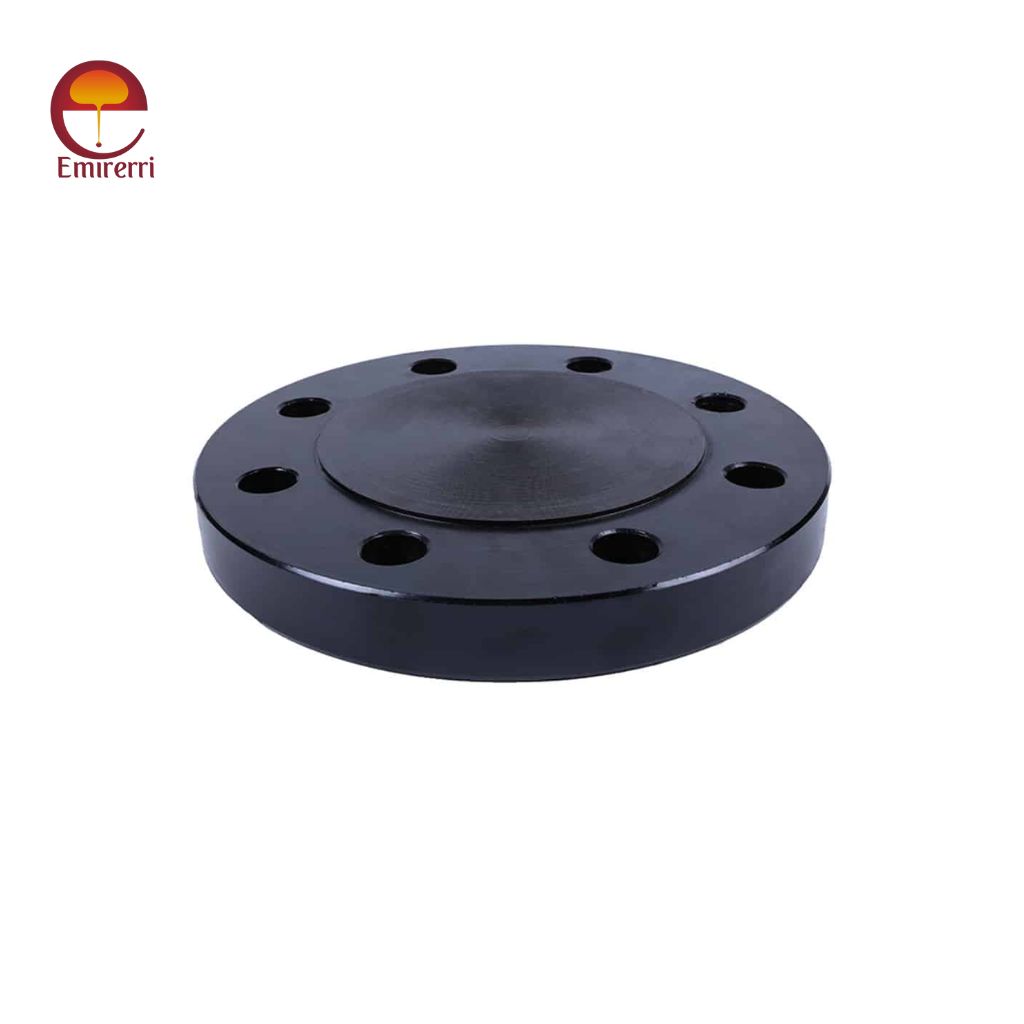
Blind Flange
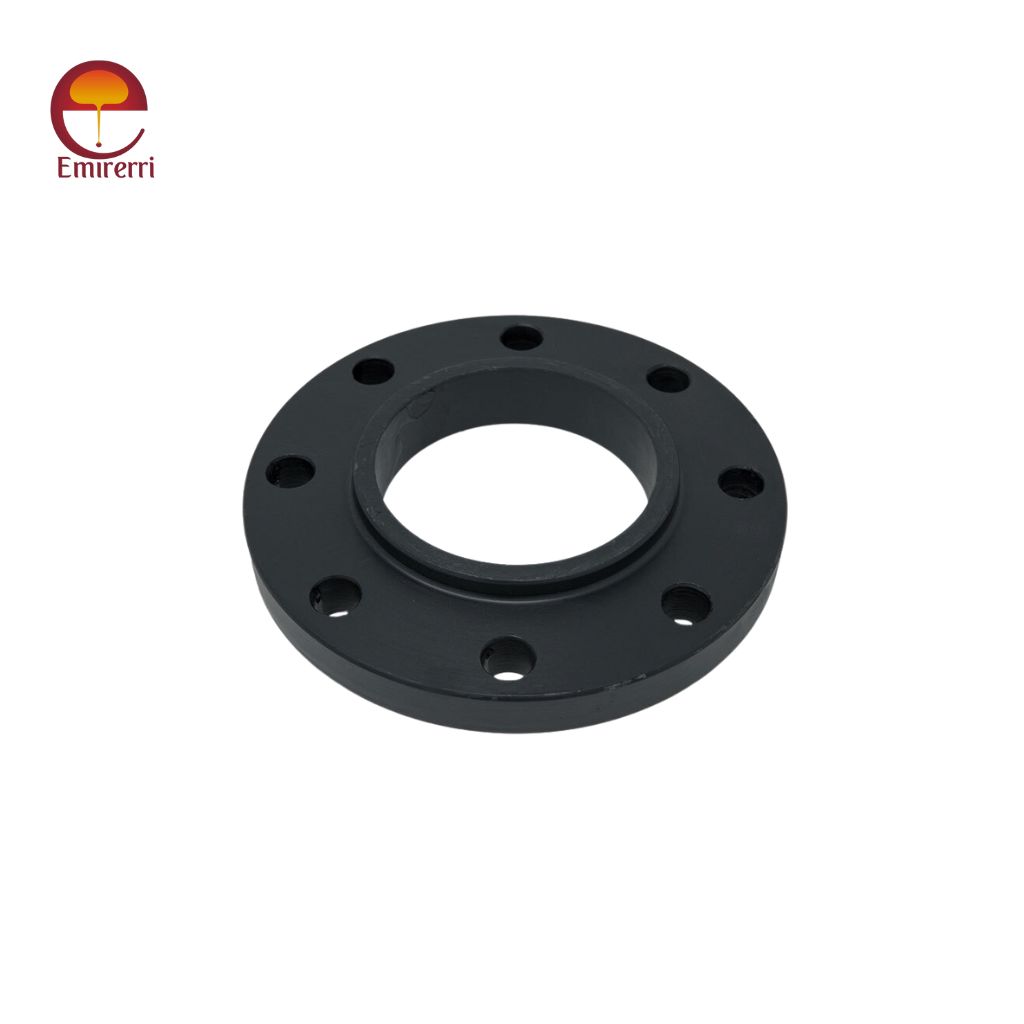
Slip on Flange
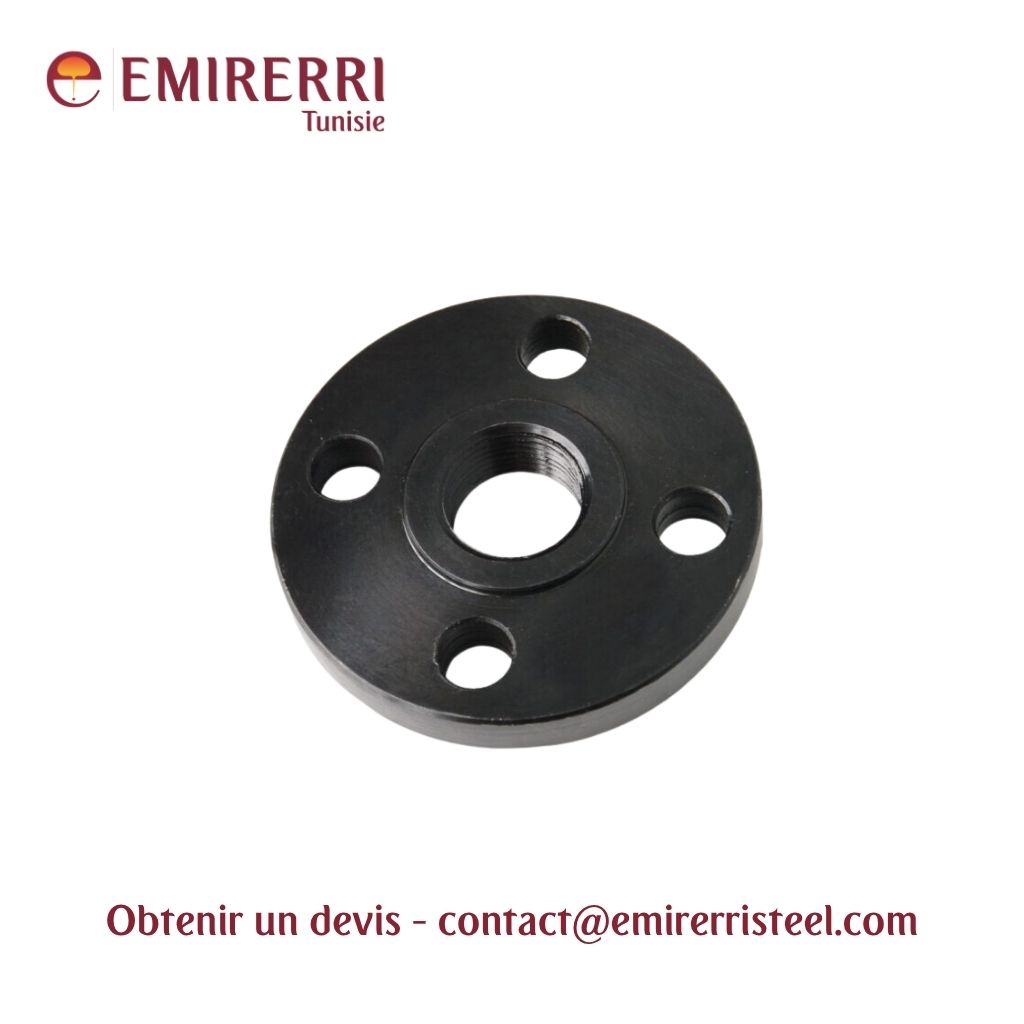
Threaded Flange
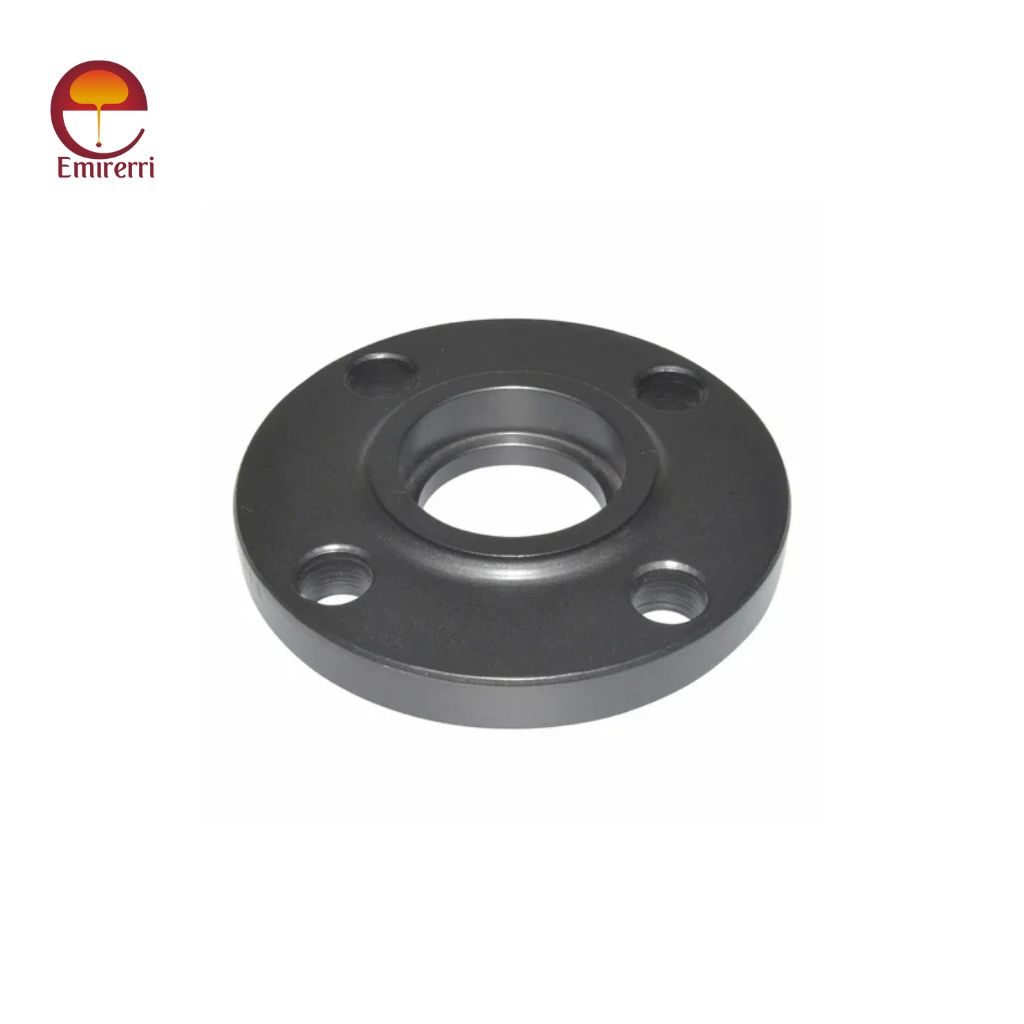
Socket Weld Flange
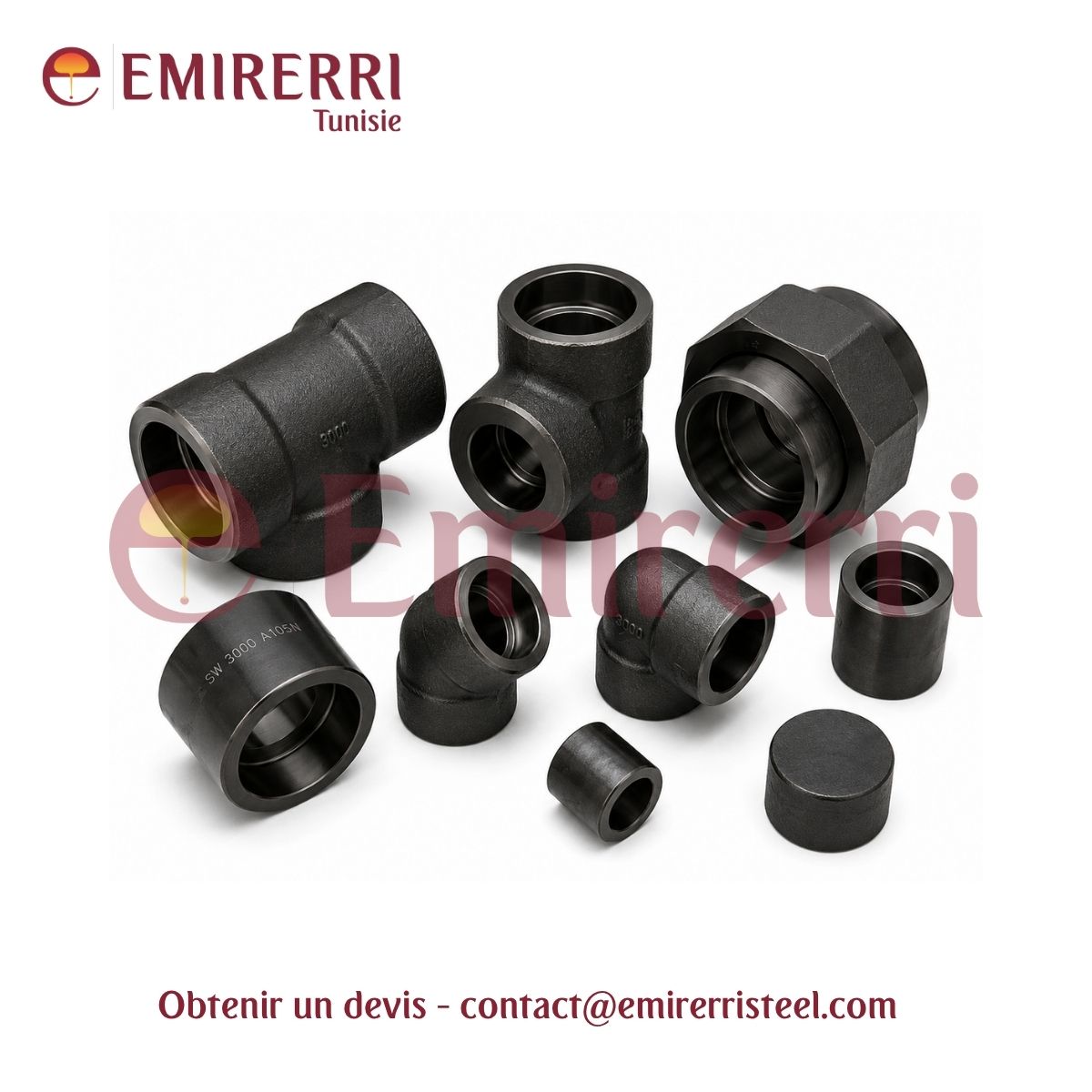
Forged Pipe Fittings
ASTM A350 LF2 Chemical Composition
The chemical composition is controlled according to the requirements of ASTM A350/A350M.
| Element | Typical / Maximum Requirement (%) |
|---|---|
| Carbon (C) | ≤ 0.30 |
| Manganese (Mn) | 0.60–1.35 |
| Phosphorus (P) | ≤ 0.035 |
| Sulfur (S) | ≤ 0.040 |
| Silicon (Si) | According to applicable requirements |
| Copper (Cu) | ≤ 0.40 |
| Nickel (Ni) | ≤ 0.40 |
| Chromium (Cr) | ≤ 0.30 |
| Molybdenum (Mo) | ≤ 0.12 |
| Vanadium (V) | ≤ 0.08 |
| Iron (Fe) | Balance |
The actual chemical composition should always be verified against the applicable edition of ASTM A350/A350M and the manufacturer’s Mill Test Certificate (MTC).
ASTM A350 LF2 Mechanical Properties
| Property | Requirement |
|---|---|
| Tensile Strength | 485–655 MPa |
| Yield Strength | ≥ 250 MPa |
| Elongation | According to applicable requirements |
| Reduction of Area | According to applicable requirements |
| Charpy V-Notch Impact | According to specified requirements |
ASTM A350 LF2 provides a useful combination of mechanical strength and toughness for pressure-containing components operating at relatively low temperatures.
Low-Temperature Impact Toughness
One of the most important characteristics of ASTM A350 LF2 is its suitability for applications requiring controlled impact toughness at low temperatures.
Charpy V-Notch testing is used to evaluate the material’s ability to absorb impact energy at the specified test temperature.
This is particularly important for:
Oil & gas pipelines
Gas transmission systems
Cryogenic-related equipment
Offshore installations
Pressure piping
Low-temperature process equipment
Gas-processing facilities
The required impact test temperature and acceptance criteria should be established according to the applicable standard, design code and project specification.
Heat Treatment
Heat treatment is an important part of ASTM A350 LF2 manufacturing.
Depending on the component size, geometry and applicable requirements, the material may be supplied in an appropriate heat-treated condition, including:
Normalizing
Normalizing and tempering
Quenching and tempering, where specified
Proper heat treatment helps achieve the required:
Mechanical strength
Ductility
Toughness
Microstructural properties
Heat-treatment records should be available when required by the purchase specification.
Welding of ASTM A350 LF2
ASTM A350 LF2 offers good weldability when appropriate qualified welding procedures are used.
Common Welding Processes
- SMAW
- GTAW / TIG
- GMAW / MIG
- FCAW
- SAW
Typical Welding Applications
- Flange connections
- Piping assemblies
- Valve components
- Forged fittings
- Pressure-containing systems
Depending on component thickness, welding procedure and applicable code, requirements may include:
- Preheating
- Interpass temperature control
- Suitable welding consumables
- Qualified Welding Procedure Specification (WPS)
- Welder qualification
- Post-Weld Heat Treatment (PWHT), where required
Corrosion Resistance
ASTM A350 LF2 is primarily a carbon/low-alloy steel and does not provide the inherent corrosion resistance of stainless steel.
It may be susceptible to:
Atmospheric corrosion
Moisture
Water
Chlorides
Marine environments
Corrosive process fluids
Contaminated hydrocarbons
Corrosion Protection
Depending on service conditions, protection can include:
Industrial coatings
Epoxy coatings
Internal linings
Cathodic protection
Corrosion inhibitors
Corrosion allowance
For highly corrosive services, alternative materials such as stainless steel, alloy steel or corrosion-resistant alloys may be considered.
Applications
Oil & Gas Industry
ASTM A350 LF2 is widely used in:
- Pipeline flanges
- Forged fittings
- Valve components
- Pressure piping
- Manifolds
- Gas transmission systems
Refineries
Applications include:
Forged flanges
Piping components
Pressure-containing fittings
Valve components
Process piping
Petrochemical Industry
- Forged fittings
- Flanges
- Valve components
- Process piping
- Pressure equipment
Power Generation
- Pressure piping
- Flanges
- Forged fittings
- Boiler-related piping
- Auxiliary piping systems
Chemical Industry
- Process piping
- Pressure-containing components
- Flanges
- Forged fittings
- Valve components
ASTM A350 LF2 and Associated Standards
ASTM A350 LF2 may be specified together with other standards depending on the final product.
Commonly Associated Standards
ASTM A350/A350M
Requirements for forged carbon and low-alloy steel components for pressure applications.
ASME B16.5
Pipe flanges and flanged fittings.
ASME B16.47
Large-diameter steel flanges.
ASME B16.34
Valves with flanged, threaded and welding ends.
ASME Section II
Material specifications.
ASME Section VIII
Pressure vessel construction requirements where applicable.
The applicable standard should always be confirmed according to the component type and final service conditions.
Quality Control and Inspection
ASTM A350 LF2 components can undergo extensive inspection to verify material quality and compliance.
Common Tests
- Chemical analysis
- Tensile testing
- Yield-strength testing
- Elongation testing
- Charpy V-Notch impact testing
- Dimensional inspection
- Visual inspection
- Surface inspection
- Ultrasonic Testing (UT)
- Magnetic Particle Testing (MT), when specified
- Heat-treatment verification
- Material traceability
Documentation
Depending on project requirements, the supply package can include:
- Mill Test Certificate (MTC)
- EN 10204 3.1 inspection certificate
- Chemical analysis report
- Mechanical test results
- Charpy impact test results
- Heat-treatment certificate
- Non-destructive testing reports
- Dimensional inspection report
- Material traceability records
ASTM A350 LF2 vs ASTM A105
| Property | ASTM A105 | ASTM A350 LF2 |
|---|---|---|
| Material Type | Carbon Steel Forging | Carbon / Low-Alloy Steel Forging |
| Main Application | Pressure Components | Pressure Components |
| Tensile Strength | ≥ 485 MPa | 485–655 MPa |
| Yield Strength | ≥ 250 MPa | ≥ 250 MPa |
| Low-Temperature Service | More limited | Specifically suited to low-temperature requirements |
| Charpy Impact | When required | Important requirement |
| Flanges | Yes | Yes |
| Fittings | Yes | Yes |
| Valve Components | Yes | Yes |
The key advantage of ASTM A350 LF2 is its suitability for applications where low-temperature toughness and impact resistance are important.
ASTM A350 LF2 for North African Industrial Projects
ASTM A350 LF2 Carbon and Low-Alloy Steel is suitable for industrial projects in Tunisia, Algeria, Morocco and Libya, particularly for:
Oil & gas pipelines
Gas transmission systems
Refineries
Petrochemical plants
Gas-processing facilities
Pressure piping
Industrial process systems
Power-generation facilities
For projects supplied to oil and gas operators, additional requirements may apply for:
Charpy impact testing
Ultrasonic examination
Heat-treatment control
Material traceability
Third-party inspection
EN 10204 certification
Project-specific inspection and test plans
Why Choose ASTM A350 LF2?
ASTM A350 LF2 is a preferred material when a project requires a forged pressure component with good strength and reliable low-temperature toughness.
Its combination of:
High mechanical strength
Good ductility
Low-temperature impact resistance
Good weldability
Forged construction
Wide industrial applicability
makes it suitable for demanding pressure piping and process equipment applications.
Conclusion
ASTM A350 LF2 Carbon and Low-Alloy Steel is a forged material widely used for flanges, fittings, valve components and other pressure-containing parts, particularly where good low-temperature toughness is required.
With a tensile strength of 485–655 MPa and a minimum yield strength of 250 MPa, ASTM A350 LF2 provides a strong combination of mechanical performance, ductility and impact toughness.
It is widely applied in oil & gas, pipelines, refineries, petrochemical plants, power generation, chemical processing and industrial piping systems.
For projects in Tunisia, Algeria, Morocco and Libya, ASTM A350 LF2 can be an effective material choice when requirements for pressure, temperature, impact toughness, heat treatment, welding, inspection, traceability and ASTM/ASME compliance are clearly defined.
Contact Us