ASTM A333 Grade 6
Carbon Steel ASTM A333 Grade 6
ASTM A333 Grade 6 Carbon Steel is a carbon steel pipe grade designed for low-temperature service and pressure applications where impact toughness is required.
The ASTM A333/A333M specification covers seamless and welded steel pipe intended for use at low temperatures and in other applications requiring notch toughness.
Grade 6 is one of the most commonly specified grades within ASTM A333. It provides a useful combination of mechanical strength, ductility, weldability, and low-temperature impact toughness.
It is widely used in oil & gas, LNG, gas processing, petrochemical plants, industrial refrigeration, power generation, and low-temperature process piping.
Key Features
- Carbon steel for low-temperature service
- Available as seamless or welded pipe
- Good impact toughness
- Good ductility
- Good mechanical strength
- Good weldability
- Suitable for pressure piping
- Designed to reduce the risk of brittle fracture at low temperatures
- Suitable for selected cryogenic-related applications
- Available in a wide range of sizes and wall thicknesses
Specifications
| Specification | Details |
|---|---|
| Grade | ASTM A333 Grade 6 |
| Material | Carbon Steel |
| Standard | ASTM A333/A333M |
| Product | Seamless or Welded Steel Pipe |
| Manufacturing | Seamless / Welded |
| Primary Service | Low Temperature |
| Impact Toughness | Required |
| Weldability | Good |
| Main Applications | Oil & Gas, LNG, Petrochemical, Refrigeration, Energy |
Types of ASTM A333 Grade 6 Pipe
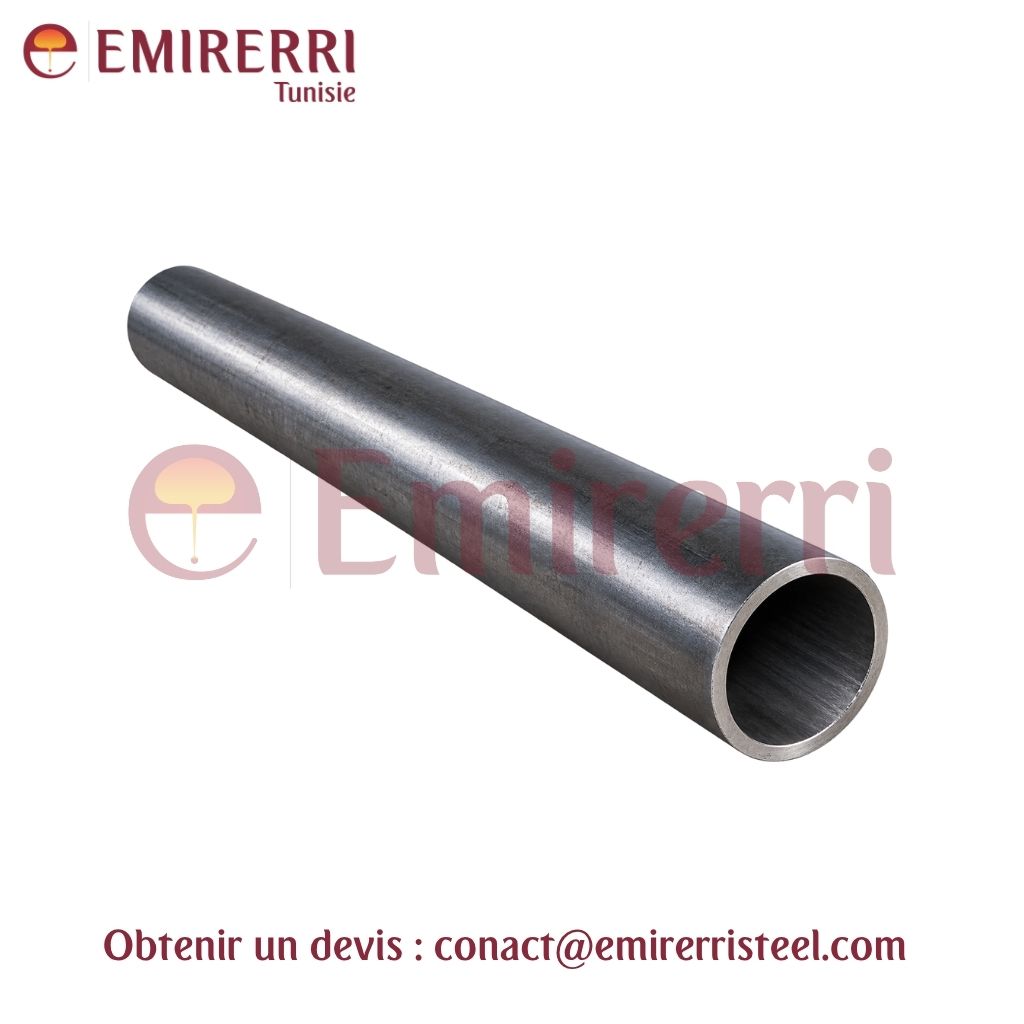
ASTM A333 Grade 6 Seamless Pipe
Seamless ASTM A333 Grade 6 pipe is manufactured without a longitudinal welded seam and is widely used for pressure applications.
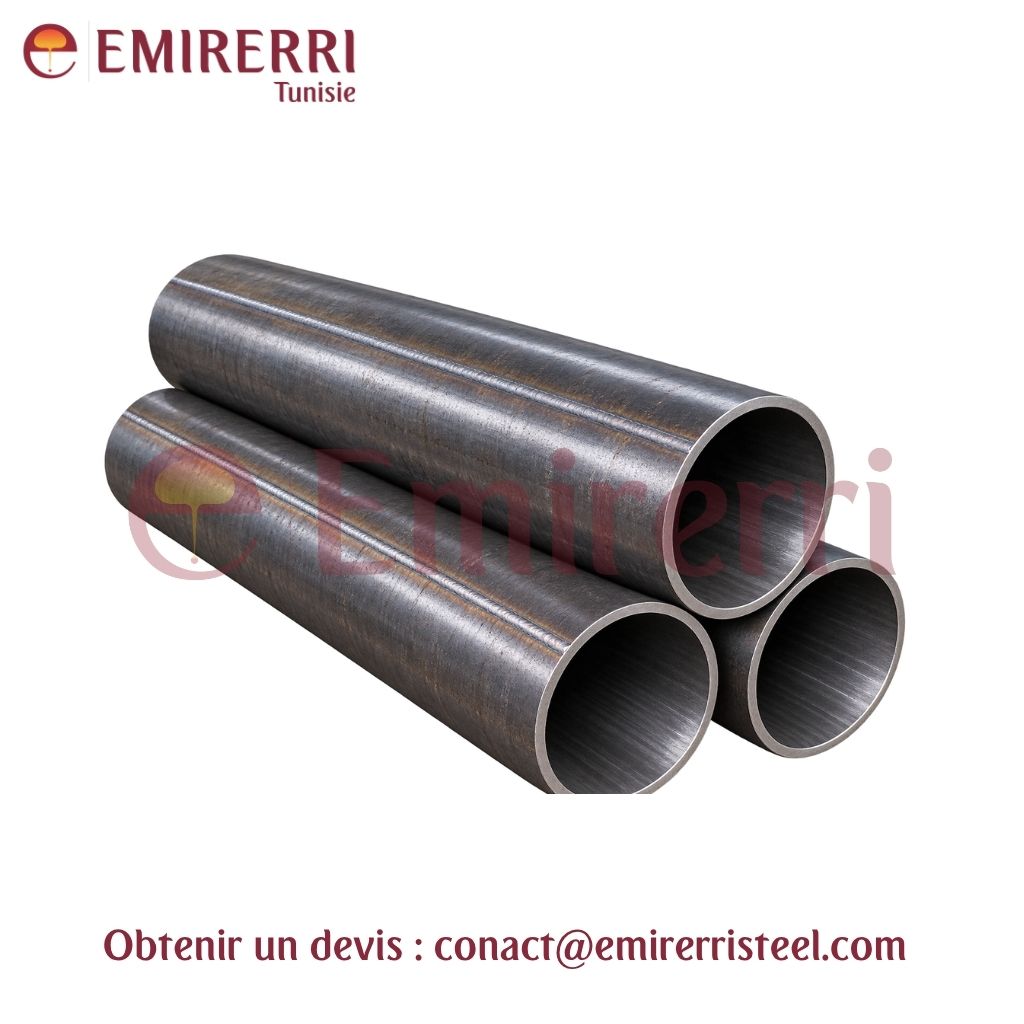
ASTM A333 Grade 6 Welded Pipe
Welded pipe may also be manufactured according to the applicable requirements of ASTM A333/A333M.
Low-Temperature Service
One of the most important characteristics of ASTM A333 Grade 6 is its suitability for applications requiring good impact toughness at low temperatures.
Typical applications include:
- Liquefied Natural Gas (LNG) facilities
- Natural gas systems
- Gas-processing plants
- Low-temperature hydrocarbon lines
- Industrial refrigeration
- Cold process piping
- Selected cryogenic-related systems
The actual minimum design temperature must always be established according to the applicable design code, impact-testing requirements, and operating conditions.
Available Sizes
ASTM A333 Grade 6 pipe is available in a wide range of nominal pipe sizes and wall thicknesses.
Common Schedules
- SCH 10
- SCH 20
- SCH 30
- SCH 40
- SCH 60
- SCH 80
- SCH 100
- SCH 120
- SCH 140
- SCH 160
- XXS
End Configurations
- Plain End
- Beveled End
- Other end preparations according to project requirements
Exact dimensions depend on nominal diameter, wall thickness, length, manufacturing method, and project specifications.
ASTM A333 Grade 6 Chemical Composition
| Element | Maximum / Required Content (%) |
|---|---|
| Carbon (C) | ≤ 0.30 |
| Manganese (Mn) | 0.29–1.06 |
| Phosphorus (P) | ≤ 0.025 |
| Sulfur (S) | ≤ 0.025 |
| Silicon (Si) | 0.10–0.50 |
| Nickel (Ni) | ≤ 0.40 |
| Chromium (Cr) | ≤ 0.30 |
| Molybdenum (Mo) | ≤ 0.12 |
| Copper (Cu) | ≤ 0.40 |
| Vanadium (V) | ≤ 0.08 |
| Iron (Fe) | Balance |
The exact chemical requirements should be verified against the applicable edition of ASTM A333/A333M and the manufacturer’s material test certificate.
ASTM A333 Grade 6 Mechanical Properties
| Property | Minimum Value |
|---|---|
| Tensile Strength | 415 MPa |
| Yield Strength | 240 MPa |
| Elongation | According to diameter and wall thickness |
| Charpy Impact Toughness | Required for specified low-temperature service |
The Charpy impact test is particularly important because it evaluates the material’s ability to absorb impact energy and resist brittle fracture at low temperatures.
Charpy Impact Toughness
ASTM A333 Grade 6 is designed to meet specific notch-toughness requirements at low temperature.
Charpy V-notch testing evaluates the amount of energy absorbed by the material during fracture at the specified test temperature.
This characteristic is particularly important for:
- LNG facilities
- Natural gas systems
- Refrigeration systems
- Low-temperature process plants
- Petrochemical installations
The required impact test temperature and acceptance criteria depend on the applicable specification and project requirements.
Physical Properties
| Property | Approximate Value |
|---|---|
| Density | 7.85 g/cm³ |
| Modulus of Elasticity | ≈ 200 GPa |
| Thermal Conductivity | ≈ 45–55 W/m·K |
| Thermal Expansion Coefficient | ≈ 11–12 × 10⁻⁶ /°C |
| Magnetic Properties | Magnetic |
Corrosion Resistance
ASTM A333 Grade 6 is a carbon steel and therefore does not have the inherent corrosion resistance of stainless steel.
It may be susceptible to:
- Atmospheric corrosion
- Moisture
- Water
- Chlorides
- Marine environments
- Certain chemicals
- Internal corrosion depending on the transported fluid
Corrosion Protection
Depending on the service environment, protection may include:
- Industrial painting
- Epoxy coating
- Internal coating
- Cathodic protection
- Corrosion inhibitors where applicable
For highly corrosive services, stainless steel or alloy steel may be more appropriate.
Heat Treatment
Heat treatment is particularly important for ASTM A333 Grade 6 because the material must achieve the required microstructure and low-temperature toughness.
Depending on manufacturing method and dimensions, applicable treatments may include:
- Normalizing
- Normalizing and tempering
- Other heat treatments permitted or required by the applicable specification
The exact treatment must comply with ASTM A333/A333M and the relevant project requirements.
Welding
ASTM A333 Grade 6 has good weldability when suitable qualified welding procedures are used.
Common Welding Processes
- SMAW
- GTAW / TIG
- GMAW / MIG
- FCAW
- SAW
Welding Applications
- Butt-welded pipe joints
- Pipe spool fabrication
- Process piping
- Low-temperature piping systems
- Connections to fittings and flanges
Depending on pipe thickness, welding procedure, material condition, and applicable design code, preheating, interpass temperature control, and PWHT may be required.
For low-temperature systems, welding procedures must also ensure that the finished joint meets the required toughness and mechanical-property requirements.
Manufacturing
ASTM A333 Grade 6 pipe can be manufactured as seamless or welded pipe.
Typical Manufacturing Steps
- Steelmaking and material preparation
- Pipe forming or seamless manufacturing
- Heat treatment
- Sizing and straightening
- End preparation
- Dimensional inspection
- Mechanical testing
- Charpy impact testing
- Hydrostatic or applicable non-destructive testing
- Final inspection and marking
Quality Control
Depending on the order requirements, inspection may include:
- Chemical analysis
- Tensile testing
- Yield-strength verification
- Elongation testing
- Charpy impact testing
- Dimensional inspection
- Visual inspection
- Hydrostatic testing
- Non-destructive examination
- Material traceability
Applications
Oil & Gas
- Low-temperature process piping
- Gas-processing systems
- Cold hydrocarbon lines
- Pressure piping
- Natural gas facilities
LNG
- LNG processing facilities
- Low-temperature piping
- Gas-treatment systems
- Auxiliary low-temperature systems
- Selected cryogenic applications
Petrochemical Industry
- Low-temperature process piping
- Cooling systems
- Cold-fluid lines
- Separation systems
- Pressure piping
Industrial Refrigeration
- Refrigeration piping
- Cooling systems
- Low-temperature industrial installations
- Cold-fluid transportation
Power Generation
- Auxiliary systems
- Low-temperature fluid lines
- Process piping
- Cooling and utility systems
ASTM A333 Grade 6 in Tunisia, Algeria, Morocco & Libya
Carbon Steel ASTM A333 Grade 6 can be considered for industrial projects across Tunisia, Algeria, Morocco, and Libya, particularly where piping systems require reliable low-temperature impact toughness.
It can be especially relevant to natural gas, LNG, oil & gas, gas processing, petrochemical, and industrial refrigeration projects.
For North African projects, material selection should consider:
- Minimum design temperature
- Operating pressure
- Charpy impact requirements
- Pipe diameter
- Wall thickness
- Seamless or welded construction
- Welding procedure
- Applicable design code
- Inspection and certification requirements
ASTM A333 Grade 6 vs ASTM A106 Grade B
| Property | ASTM A333 Grade 6 | ASTM A106 Grade B |
|---|---|---|
| Material | Carbon Steel | Carbon Steel |
| Product | Seamless or Welded Pipe | Seamless Pipe |
| Primary Service | Low Temperature | Elevated Temperature |
| Tensile Strength | ≥ 415 MPa | ≥ 415 MPa |
| Yield Strength | ≥ 240 MPa | ≥ 240 MPa |
| Charpy Impact Testing | Key requirement | Not the primary characteristic |
| Typical Applications | LNG, gas, refrigeration | Steam, process, refinery |
| Key Advantage | Low-temperature toughness | Elevated-temperature service |
Conclusion
Carbon Steel ASTM A333 Grade 6 is a specialized carbon steel pipe grade for low-temperature service and applications requiring good notch toughness.
With a minimum tensile strength of 415 MPa and yield strength of 240 MPa, it provides a good combination of mechanical strength, ductility, weldability, and low-temperature toughness.
It is particularly suitable for LNG facilities, natural gas systems, gas-processing plants, petrochemical installations, industrial refrigeration, and low-temperature process piping.
For projects in Tunisia, Algeria, Morocco, and Libya, ASTM A333 Grade 6 can provide a reliable solution where the minimum design temperature, pressure, Charpy impact requirements, dimensions, welding procedure, and applicable design code are compatible with ASTM A333/A333M.
Contact Us