ASTM A234 WPB
Carbon Steel ASTM A234 WPB
ASTM A234 WPB Carbon Steel is a widely used material for manufacturing carbon steel pipe fittings designed for pressure piping systems and moderate- to elevated-temperature service.
The ASTM A234/A234M specification covers wrought carbon steel and alloy steel fittings intended for pressure piping and moderate- and elevated-temperature service.
Grade WPB is one of the most commonly specified carbon steel fitting grades and is widely used for manufacturing elbows, tees, reducers, caps, crosses, bends, and other butt-weld pipe fittings.
With a combination of good mechanical strength, ductility, weldability, formability, and machinability, ASTM A234 WPB is widely used in oil & gas, refineries, petrochemical plants, power generation, and industrial process piping.
Key Features
- Carbon steel for pipe fittings
- Suitable for pressure piping
- Suitable for moderate- and elevated-temperature service
- Good mechanical strength
- Good ductility
- Good weldability
- Good formability
- Good machinability
- Available in a wide range of dimensions
- Suitable for industrial piping systems
- Widely used in Oil & Gas and petrochemical projects
Specifications
| Specification | Details |
|---|---|
| Grade | ASTM A234 WPB |
| Material | Carbon Steel |
| Standard | ASTM A234/A234M |
| Product | Carbon Steel Pipe Fittings |
| Manufacturing | Forming / Fabrication |
| Type | Butt-Weld Pipe Fittings |
| Service | Pressure & Moderate/Elevated Temperature |
| Weldability | Good |
| Heat Treatment | According to applicable requirements |
| Main Applications | Oil & Gas, Refinery, Petrochemical, Power |
Types of ASTM A234 WPB Fittings
ASTM A234 WPB is commonly used for butt-weld pipe fittings.
Elbows
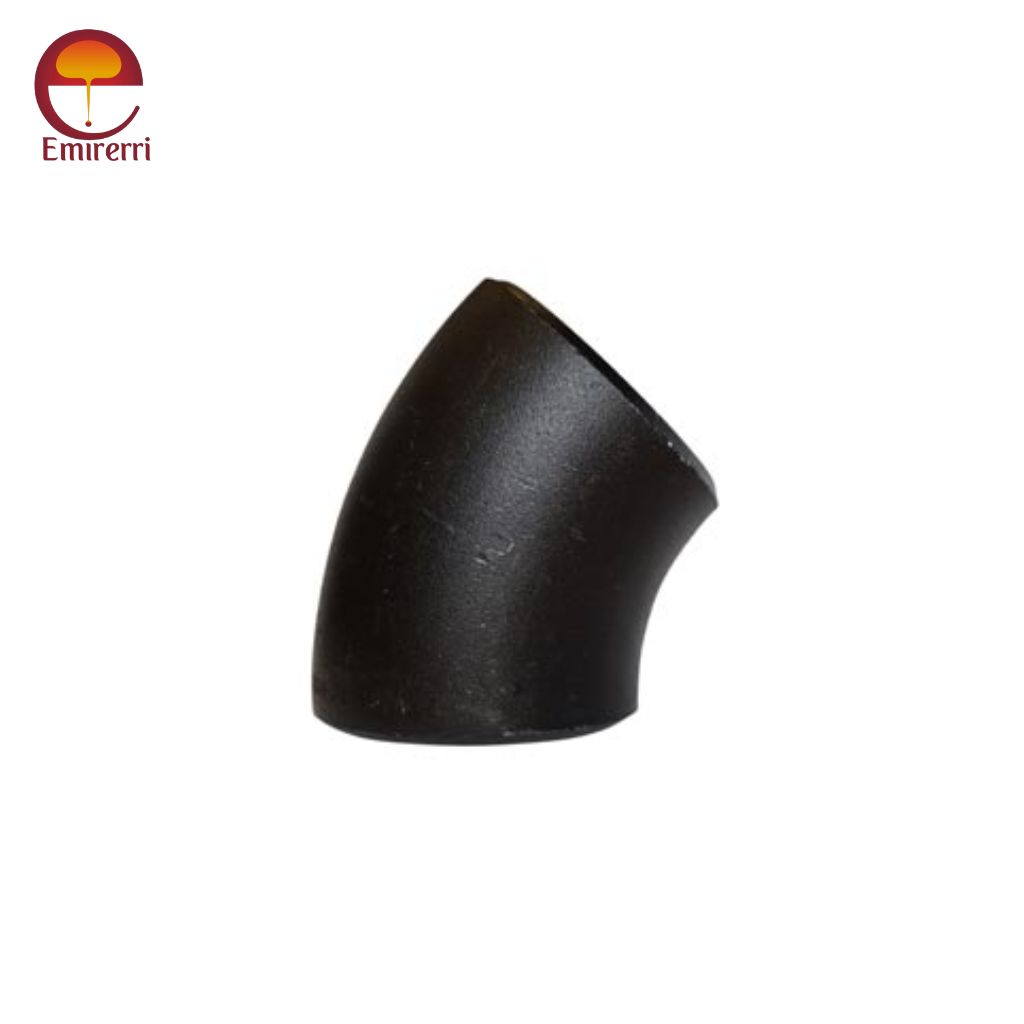
ASTM A234 WPB 45° Elbow
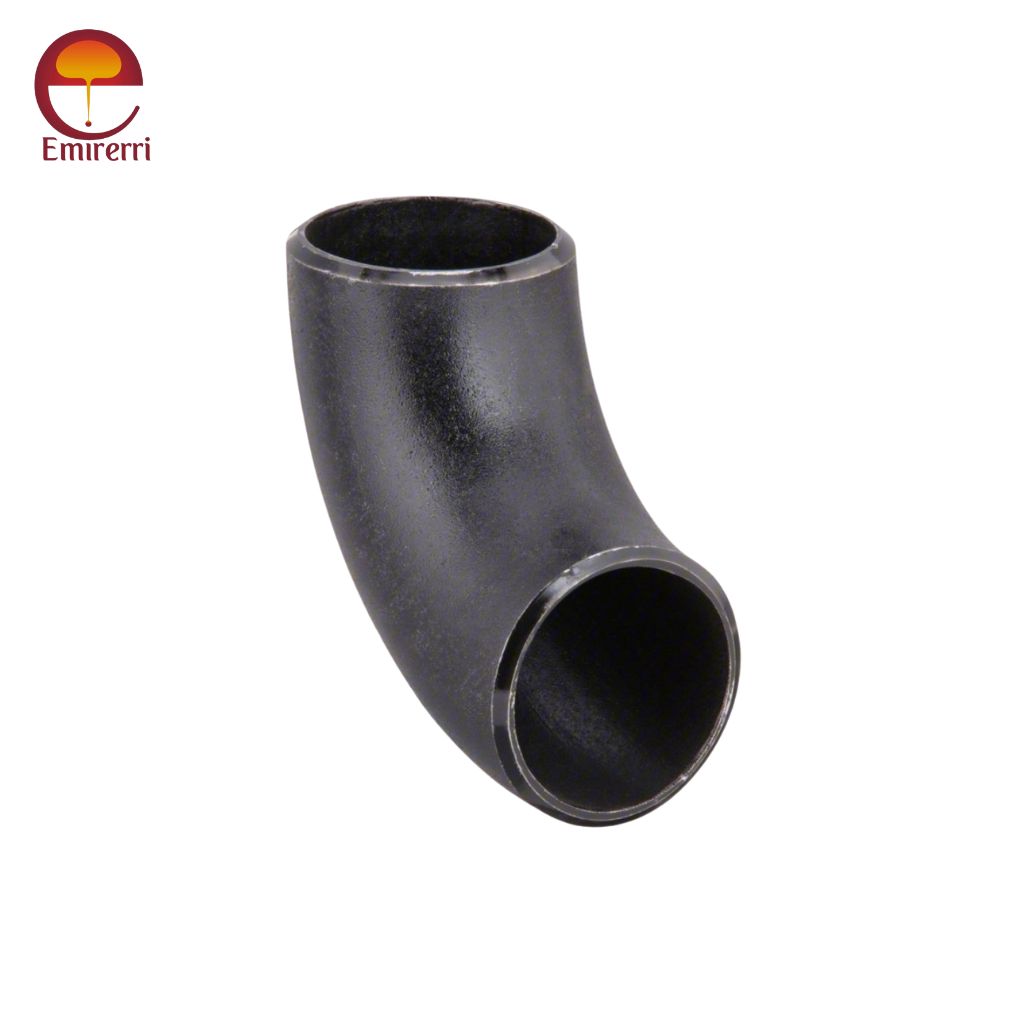
ASTM A234 WPB 90° Elbow
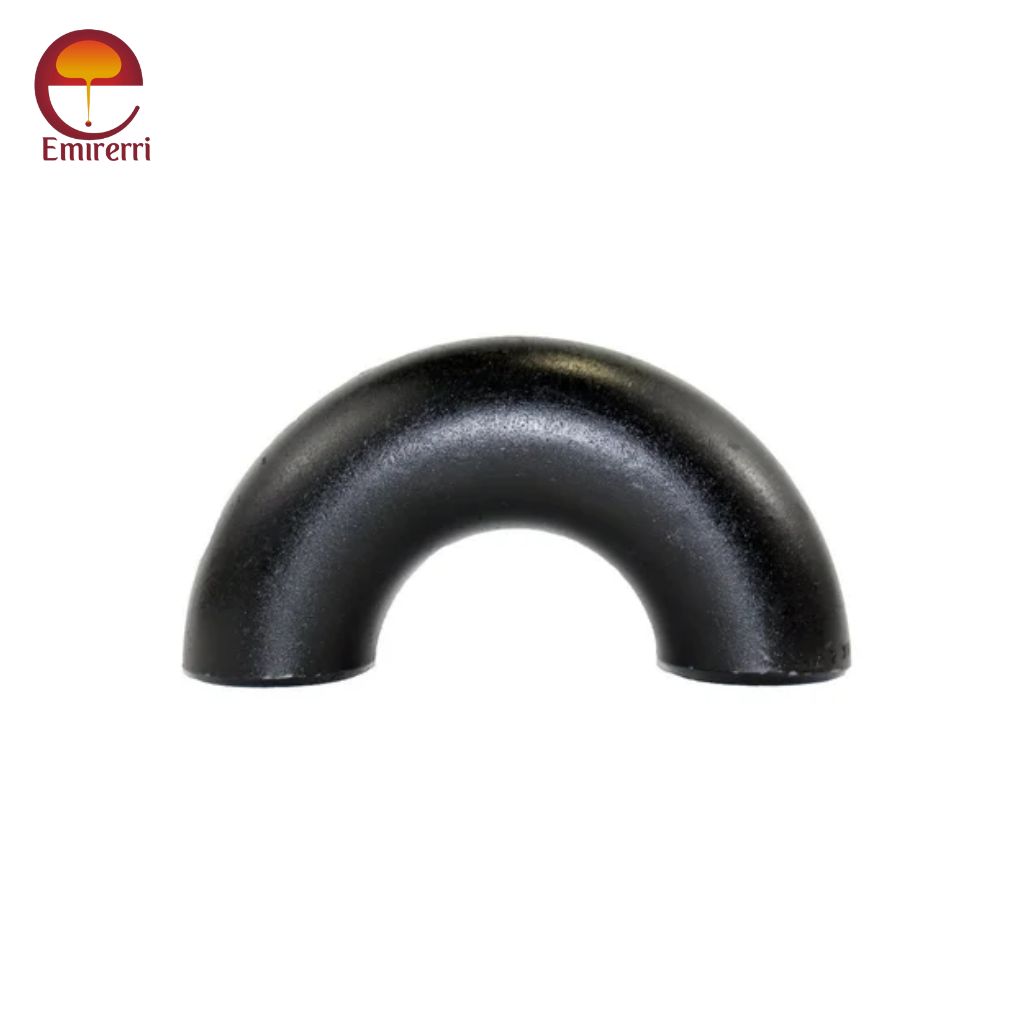
ASTM A234 WPB 180° Elbow
Tees
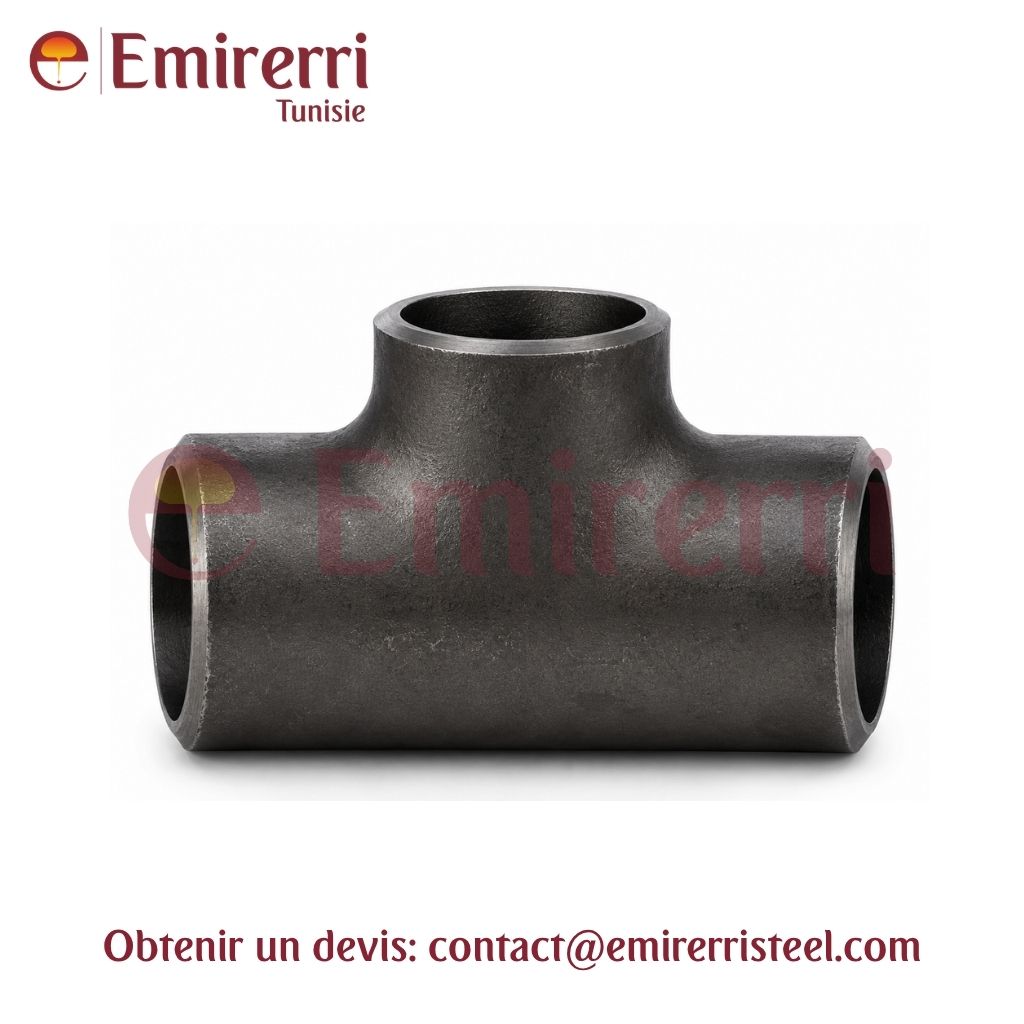
ASTM A234 WPB Equal Tee

ASTM A234 WPB Reducing Tee
Reducers
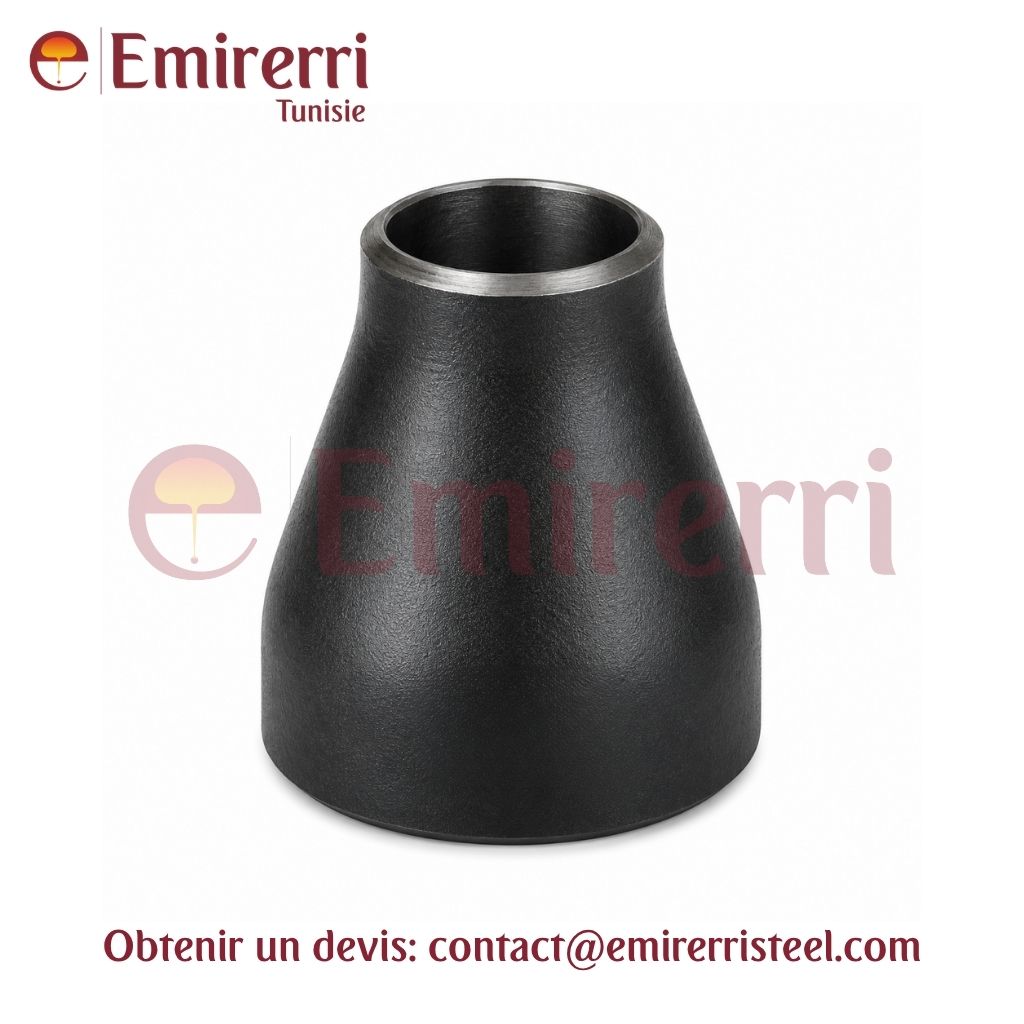
ASTM A234 WPB Concentric Reducer
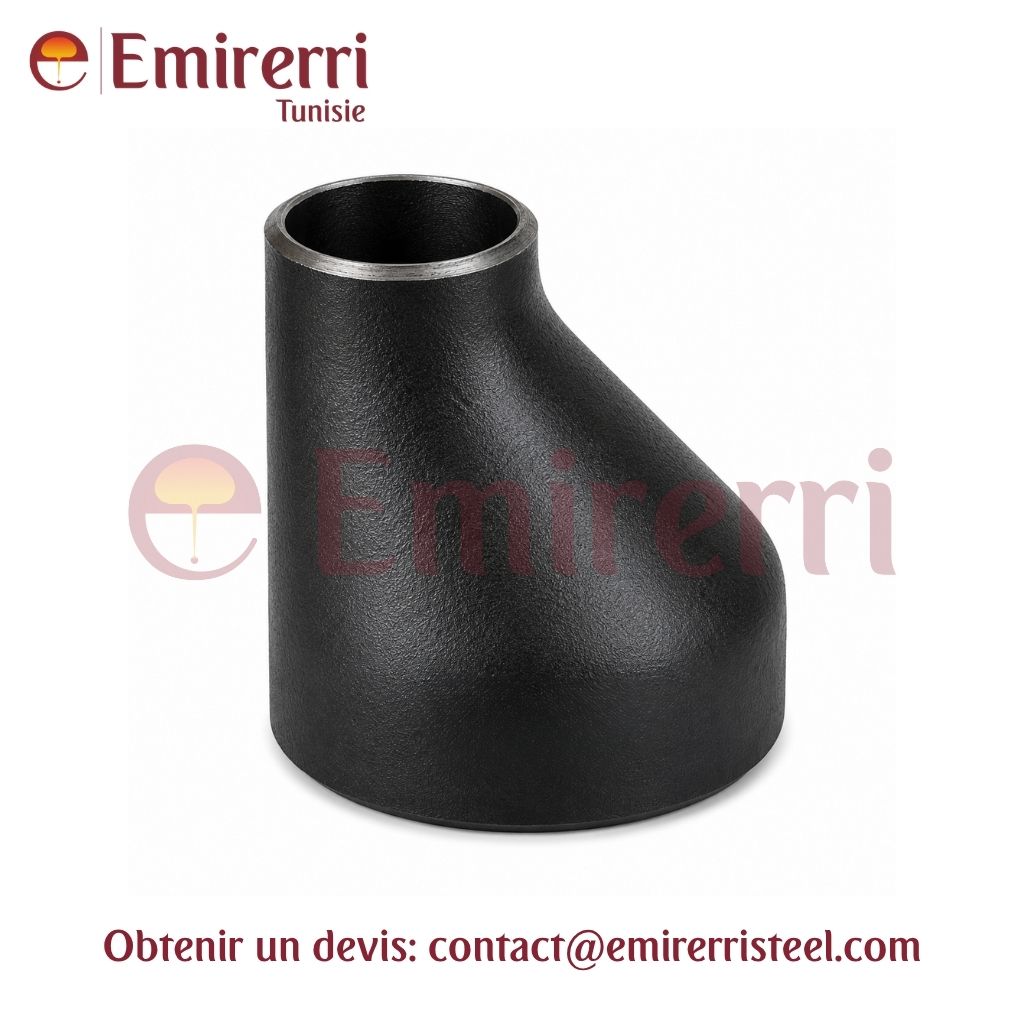
ASTM A234 WPB Eccentric Reducer
Other Fittings
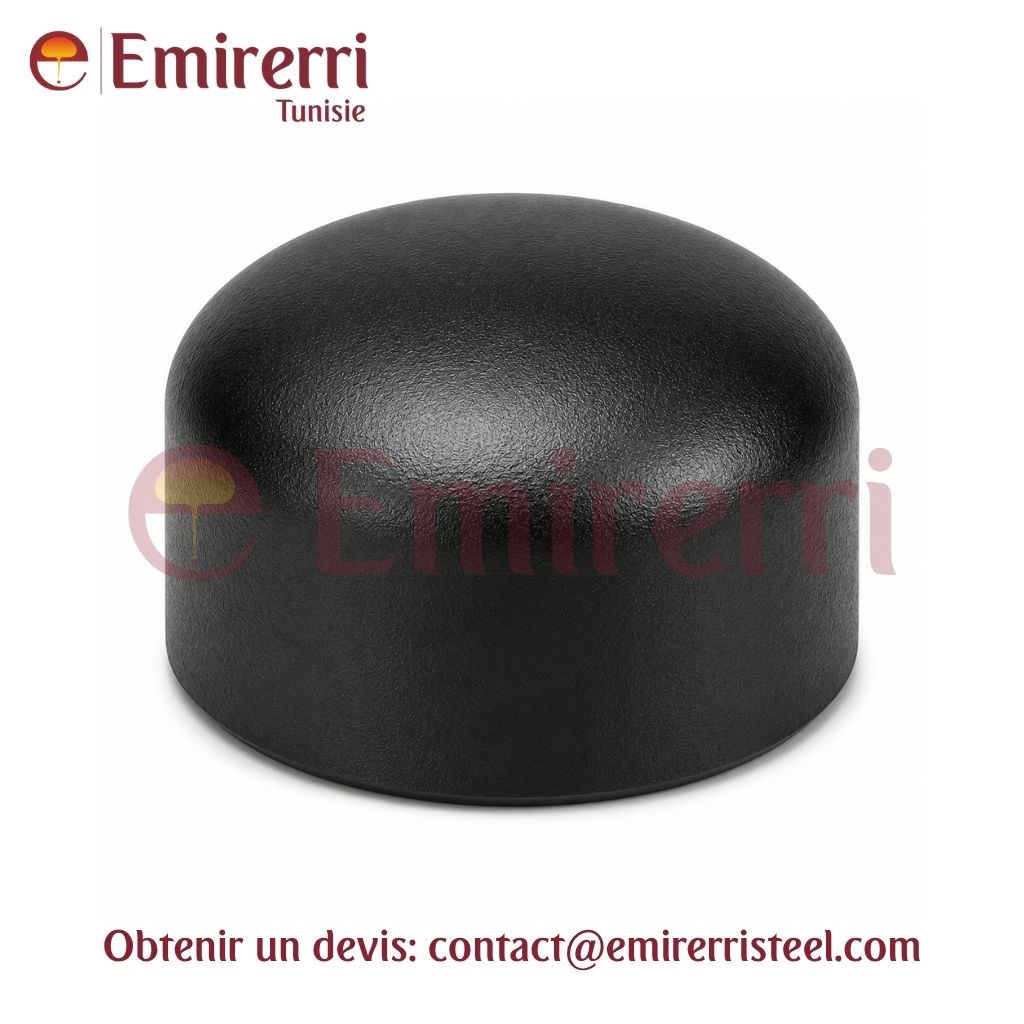
ASTM A234 WPB Caps
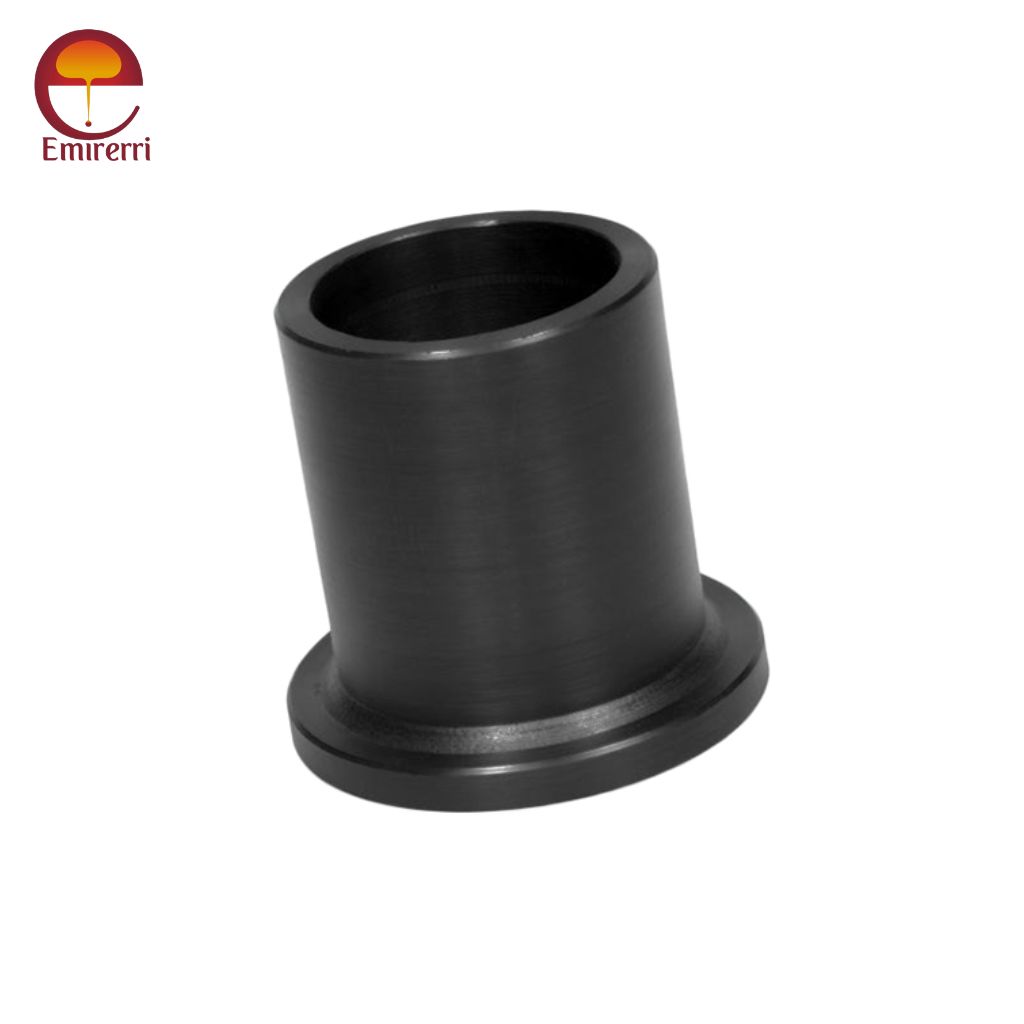
ASTM A234 WPB Stub Ends
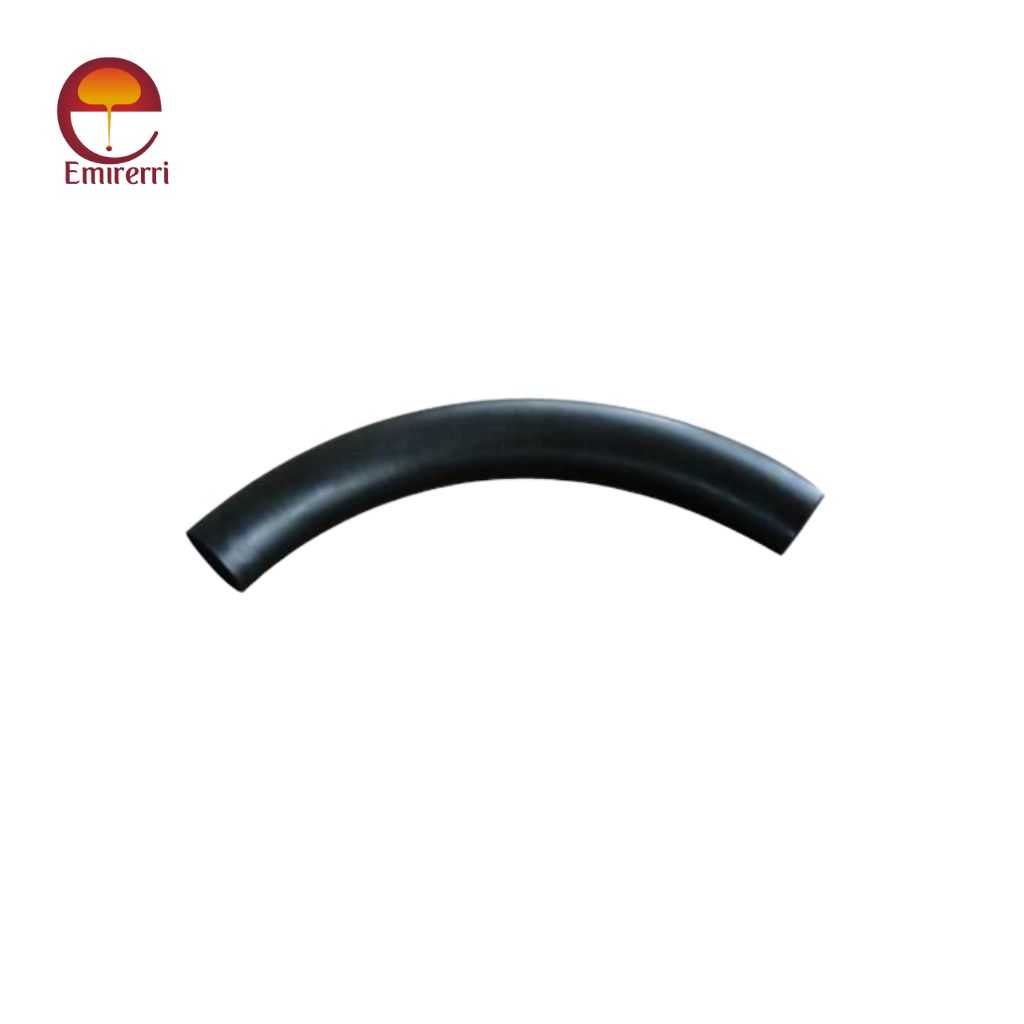
ASTM A234 WPB Bend
Common Dimensional Standards
ASTM A234 WPB fittings can be manufactured according to various dimensional standards.
ASME B16.9
Commonly used for factory-made wrought butt-welding fittings, including:
- Elbows
- Tees
- Reducers
- Caps
- Crosses
ASME B16.28
Applicable to certain wrought steel butt-welding short-radius elbows and returns.
MSS SP-75
Used for selected high-strength butt-welding fittings for specific applications.
Final dimensions depend on the nominal diameter, wall thickness, fitting type, radius, and project requirements.
Equivalent Grades
| Standard | Grade / Comparable Material |
|---|---|
ASTM | A234 WPB |
UNS | K03006* |
EN | Depends on application |
DIN | Depends on product |
JIS | Depends on project requirements |
*UNS and equivalent designations should be verified against the applicable specification and certified material chemistry.
ASTM A234 WPB should not automatically be considered equivalent to another international grade without checking chemical composition, mechanical properties, manufacturing process, heat treatment, and project requirements.
Available Sizes
ASTM A234 WPB fittings are available in a wide range of nominal sizes and wall thicknesses.
Common Pipe Schedules
- SCH 10
- SCH 20
- SCH 30
- SCH 40
- SCH 60
- SCH 80
- SCH 100
- SCH 120
- SCH 140
- SCH 160
- XXS
Custom wall thicknesses may also be manufactured according to project specifications.
ASTM A234 WPB Chemical Composition
| Element | Content (%) |
|---|---|
| Carbon (C) | ≤ 0.30 |
| Manganese (Mn) | 0.29–1.06 |
| Phosphorus (P) | ≤ 0.050 |
| Sulfur (S) | ≤ 0.058 |
| Silicon (Si) | ≥ 0.10 |
| Chromium (Cr) | ≤ 0.40 |
| Nickel (Ni) | ≤ 0.40 |
| Molybdenum (Mo) | ≤ 0.15 |
| Copper (Cu) | ≤ 0.40 |
| Vanadium (V) | ≤ 0.08 |
| Iron (Fe) | Balance |
The exact requirements should be verified against the applicable edition of ASTM A234/A234M and the material test certificate.
ASTM A234 WPB Mechanical Properties
| Property | Minimum Value |
|---|---|
| Tensile Strength | 415 MPa |
| Yield Strength | 240 MPa |
| Elongation | According to applicable requirements |
| Hardness | According to applicable requirements |
These mechanical properties make ASTM A234 WPB suitable for a wide range of pressure piping applications when properly designed and installed.
ASTM A234 WPB Physical Properties
| Property | Approximate Value |
|---|---|
| Density | 7.85 g/cm³ |
| Modulus of Elasticity | ≈ 200 GPa |
| Thermal Conductivity | ≈ 45–55 W/m·K |
| Thermal Expansion Coefficient | ≈ 11–12 × 10⁻⁶ /°C |
| Specific Heat Capacity | ≈ 480 J/kg·K |
| Magnetic Properties | Magnetic |
Corrosion Resistance
ASTM A234 WPB is a carbon steel and does not provide the inherent corrosion resistance of stainless steel.
It may be susceptible to:
- Atmospheric corrosion
- Moisture
- Water
- Chlorides
- Marine environments
- Chemical exposure
- Internal corrosion depending on the transported fluid
Corrosion Protection
Depending on the operating environment, protection may include:
- Industrial painting
- Epoxy coating
- Internal coating
- Cathodic protection
- Corrosion inhibitors where applicable
For highly corrosive services, stainless steel, alloy steel, or specially protected carbon steel may be required.
Temperature Resistance
ASTM A234 WPB fittings are intended for moderate- and elevated-temperature service within the applicable material and design-code limits.
Typical applications include:
- Steam systems
- Hot-water lines
- Hydrocarbon lines
- Process fluids
- Thermal systems
The allowable pressure at a specific temperature must be determined according to the applicable design code, fitting dimensions, material properties, and service conditions.
Heat Treatment
Heat treatment requirements for ASTM A234 WPB fittings depend on factors such as fitting thickness, manufacturing process, dimensions, and applicable standard requirements.
Normalizing
Normalizing can produce a more uniform microstructure and balanced mechanical properties.
Annealing
Annealing may be used to improve ductility and facilitate certain fabrication operations.
Normalizing & Tempering
This may be applied when required by the product specification or project requirements.
Heat treatment should comply with ASTM A234/A234M and the applicable project specification.
Welding
ASTM A234 WPB has good weldability and is widely used in welded piping systems.
Common Welding Processes- SMAW
- GTAW / TIG
- GMAW / MIG
- FCAW
- SAW
- Butt welding
- Pipe-to-fitting connections
- Flange connections
- Branch connections
- Pipe spool fabrication
- Process piping assemblies
Depending on wall thickness and the applicable code, preheating, interpass temperature control, and PWHT may be required.
Manufacturing
ASTM A234 WPB fittings can be manufactured from suitable pipe, tube, plate, or other qualified starting material depending on the fitting type and manufacturing process.
Typical Manufacturing Process
- Raw material selection
- Cutting
- Heating
- Forming
- Heat treatment when required
- Calibration
- Machining
- End preparation
- Dimensional inspection
- Testing and quality control
Common Quality Controls
- Dimensional inspection
- Visual inspection
- Chemical analysis
- Mechanical testing
- Non-destructive testing where required
- Material identification
- Marking verification
- Material certificate review
Applications
Oil & Gas Industry
- Elbows
- Tees
- Reducers
- Caps
- Process fittings
- Pressure piping systems
Refineries
- Process piping
- Hydrocarbon lines
- Steam systems
- Hot-fluid lines
- Piping connections
Petrochemical Industry
- Process fittings
- Steam networks
- Hot-fluid lines
- Pressure piping systems
Power Generation
- Steam systems
- Hot-water piping
- Auxiliary piping
- Thermal systems
- Process piping
General Industry
- Industrial piping
- Pressure piping
- Thermal systems
- Process installations
- Industrial fluid transportation
ASTM A234 WPB in Tunisia, Algeria, Morocco & Libya
Carbon Steel ASTM A234 WPB is widely used in industrial projects across Tunisia, Algeria, Morocco, and Libya, particularly for pipe fittings used in oil & gas, refineries, petrochemical plants, power generation, and general industrial applications.
It is especially suitable for piping systems using ASME standards, where fittings are commonly specified according to ASME B16.9 and matched with compatible pipes, flanges, and other piping components.
For North African projects, material and fitting selection should consider:
- Operating pressure
- Operating temperature
- Pipe and fitting dimensions
- Wall thickness
- Fluid characteristics
- Applicable design code
- Inspection requirements
- Material certificates
- Heat-treatment requirements
ASTM A234 WPB vs ASTM A105
| Property | ASTM A234 WPB | ASTM A105 |
|---|---|---|
| Material | Carbon Steel | Carbon Steel |
| Main Product | Pipe Fittings | Forged Components |
| Manufacturing | Forming / Fitting Manufacturing | Forging |
| Typical Products | Elbows, Tees, Reducers, Caps | Flanges, Forged Fittings, Valve Components |
| Tensile Strength | ≥ 415 MPa | ≥ 485 MPa |
| Yield Strength | ≥ 240 MPa | ≥ 250 MPa |
| Common Dimensional Standard | ASME B16.9 | ASME B16.5 / B16.11 |
| Main Application | Process Piping | Pressure Components |
Conclusion
Carbon Steel ASTM A234 WPB is one of the most widely used materials for carbon steel pipe fittings designed for pressure piping and moderate- to elevated-temperature service.
It offers a combination of mechanical strength, ductility, weldability, formability, and fabrication performance, making it suitable for elbows, tees, reducers, caps, crosses, bends, and other butt-weld fittings.
For projects in Tunisia, Algeria, Morocco, and Libya, ASTM A234 WPB provides a reliable solution for oil & gas, refinery, petrochemical, power generation, and industrial process piping, particularly when the fittings are manufactured and inspected according to ASTM A234/A234M and applicable ASME dimensional standards.
Contact Us